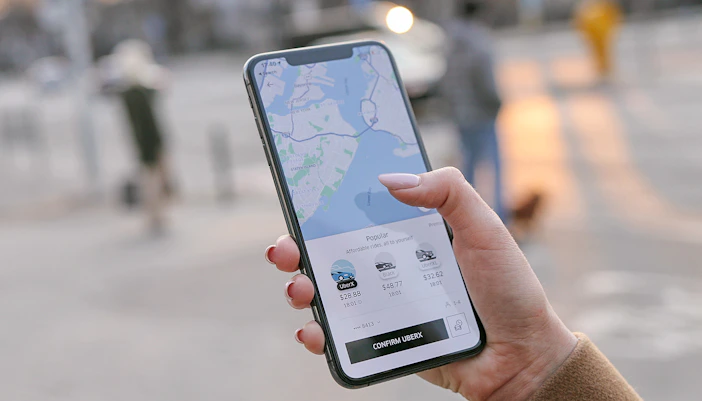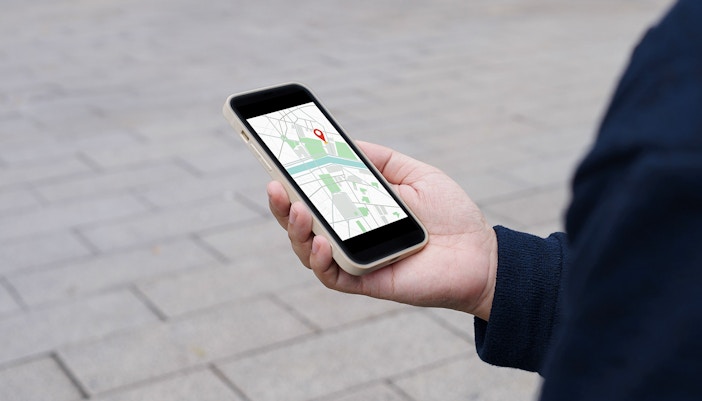
- Ulmon Venice Travel Guide – Offline maps to explore narrow alleys without draining data.
- CheBateo – Plan Vaporetto routes and check ACTV timetables in real time.
- Google Maps – Reliable for public transport schedules, walking routes, and Vaporetto stops.
How Headout makes choosing experiences effortless
We curate the best ways to experience
We research and organise all unique experiences - from tickets to tours to special combos - so you get all the choices without the clutter.
We partner with the best
Every supplier is vetted for quality, reliability, and value so you only get top rated experiences. No surprises, no disappointments.
All the best options, in one place
Each experience is thoughtfully organised to give you maximum availability, great value and an easy way to choose.
Book with complete peace of mind
Free cancellations, Flexible payments, and 24/7 support - thoughtfully designed for flexibility, assurance, and total peace of mind.
Slide 1 of 41/4
Slide 1 of 4

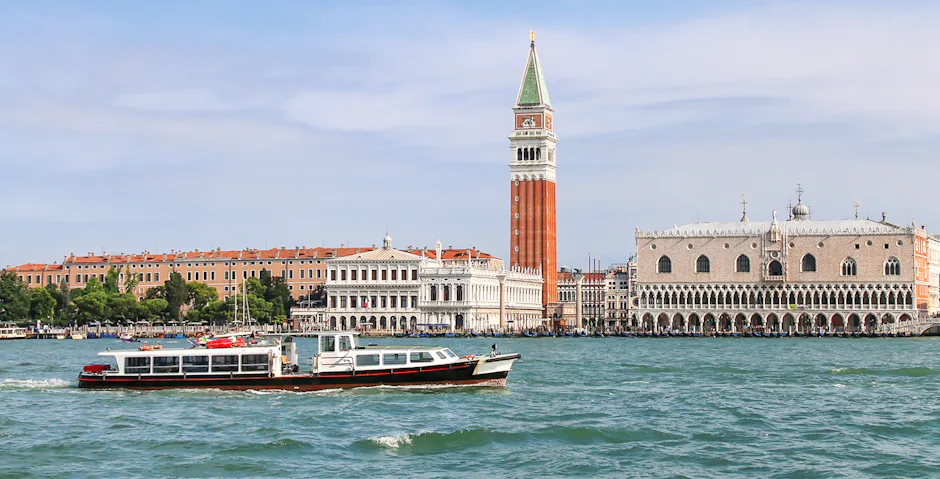
Venice is a city like no other—no cars, no roads, just a maze of 417 bridges and 177 canals connecting more than 100 islands. Built on wooden piles driven into soft soil, the city relies on water transport as much as walking. That’s why public transport here isn’t just a convenience—it’s a lifeline. Whether you’re strolling through its winding alleys or cruising along the Grand Canal, this guide covers everything you need to know about getting around Venice efficiently.
Additional pointers onhow to choose
- In a rush? Go with the 75-Minute Ticket or 1-Day Pass.
- On a weekend stay? The 3-Day Pass gives maximum flexibility.
- First time in Venice? Opt for a Combo to hit the top sights without queues.
- Love stories? Add the Audio Guide to any pass for neighborhood lore, art & architecture insights.
How to reach Venice city center from the Airport?
Venice has two main airports: Marco Polo Airport (VCE) and Treviso Airport (TSF). Here’s how you can get from each to the city centre:
Must-have apps for public transport in Venice
Navigating Venice’s unique transport system is easier with the right apps! Here are some must-have apps to help you get around efficiently:
💡 Pro Tip: For Venice transport tickets, use AVM Venezia or CheBateo instead of waiting in line!
Frequently asked questions about Venice public transport
A. Vehicular movement is not allowed inside Venice. Inside the city, public transport is available in the form of water buses, Gondolas, and Traghetti. However, Venice is a walkable city. The best way to get around the city is on foot.
Absolutely! Vaporettos are Venice’s public water buses, used for daily transport. Gondolas are for scenic, short rides and cost around €80 for 30 minutes, while a Vaporetto ticket is €9.50—or much less with a travel pass.
You have three main options:
Vaporetto (Alilaguna Line): A scenic 60–75 min ride (€10–€15).
Bus (ACTV No. 5 or ATVO Express): A quick 20–30 min trip to Piazzale Roma (€10).
Water Taxi: Direct and comfortable, but expensive (€100–€150). Best for groups or those with heavy luggage.
Yes, but with limited service. The N Vaporetto Line runs every 30 minutes from Piazzale Roma. ACTV night buses also operate in Mestre, but some smaller islands may have no late-night service.
Walking is free and often the best way to explore! For water transport, a Vaporetto pass saves money if you’re taking multiple rides. Budget travelers can also use traghetto gondolas for short Grand Canal crossings (€2–€3).
No metro, but Venice has a tram line connecting Mestre to Piazzale Roma. Within the city, Vaporettos are the main mode of transport.
Buy tickets online or use automated kiosks at Vaporetto stops. ACTV passes can also be loaded onto a Venezia Unica card for quick tap-and-go access.
Children under 6 years old travel for free on ACTV buses and Vaporettos. For older kids, consider the Rolling Venice Card, which offers discounts for travelers aged 6–29.
No, Venice’s ACTV system does not accept contactless bank cards for direct tap-in payments. You must buy a ticket or pass in advance.
The Tram T1 and ACTV buses (Lines 4, 4L, 5, and 15) run frequently between Mestre and Piazzale Roma in Venice, taking 15–20 minutes.
Yes, Venice is well-connected by train, and you can use a Eurail Pass (for non-European residents) or an Interrail Pass (for European residents) to travel conveniently. Trenitalia and Italo operate frequent high-speed and regional trains to Venice, making it easy to reach the city from major destinations like Rome, Milan, and Florence. These passes offer flexible train travel across multiple countries, making them a great option for exploring Europe.