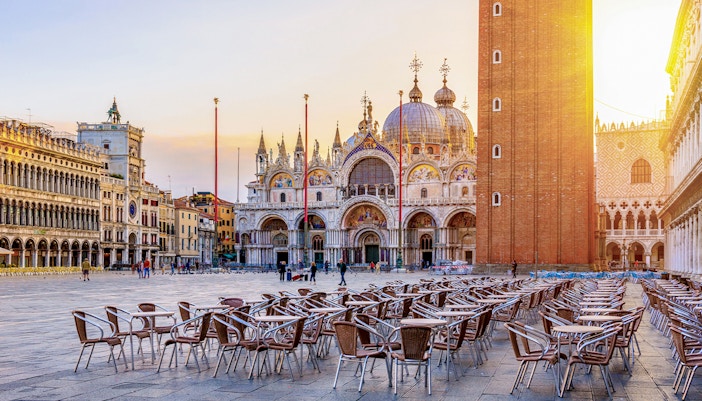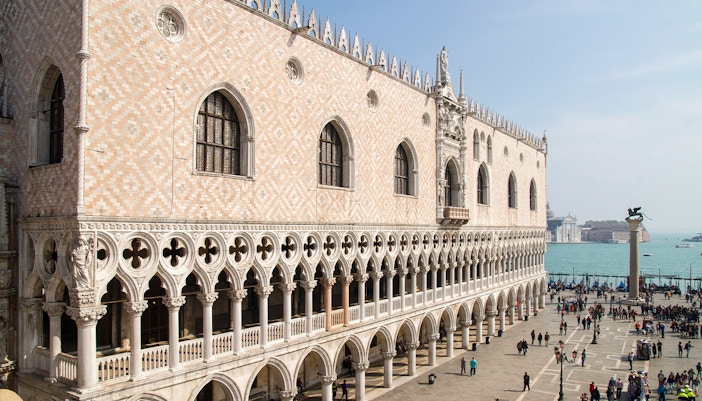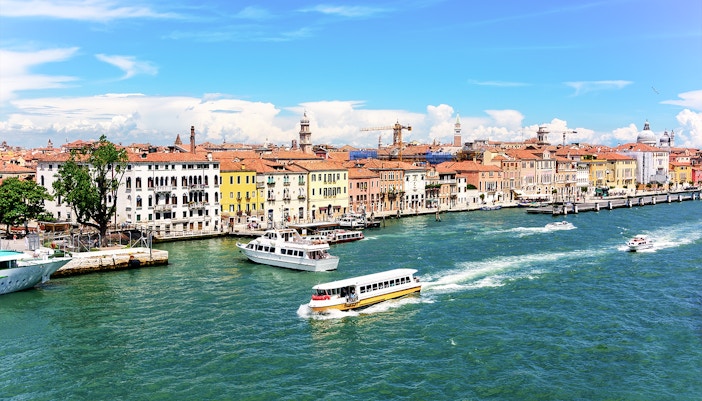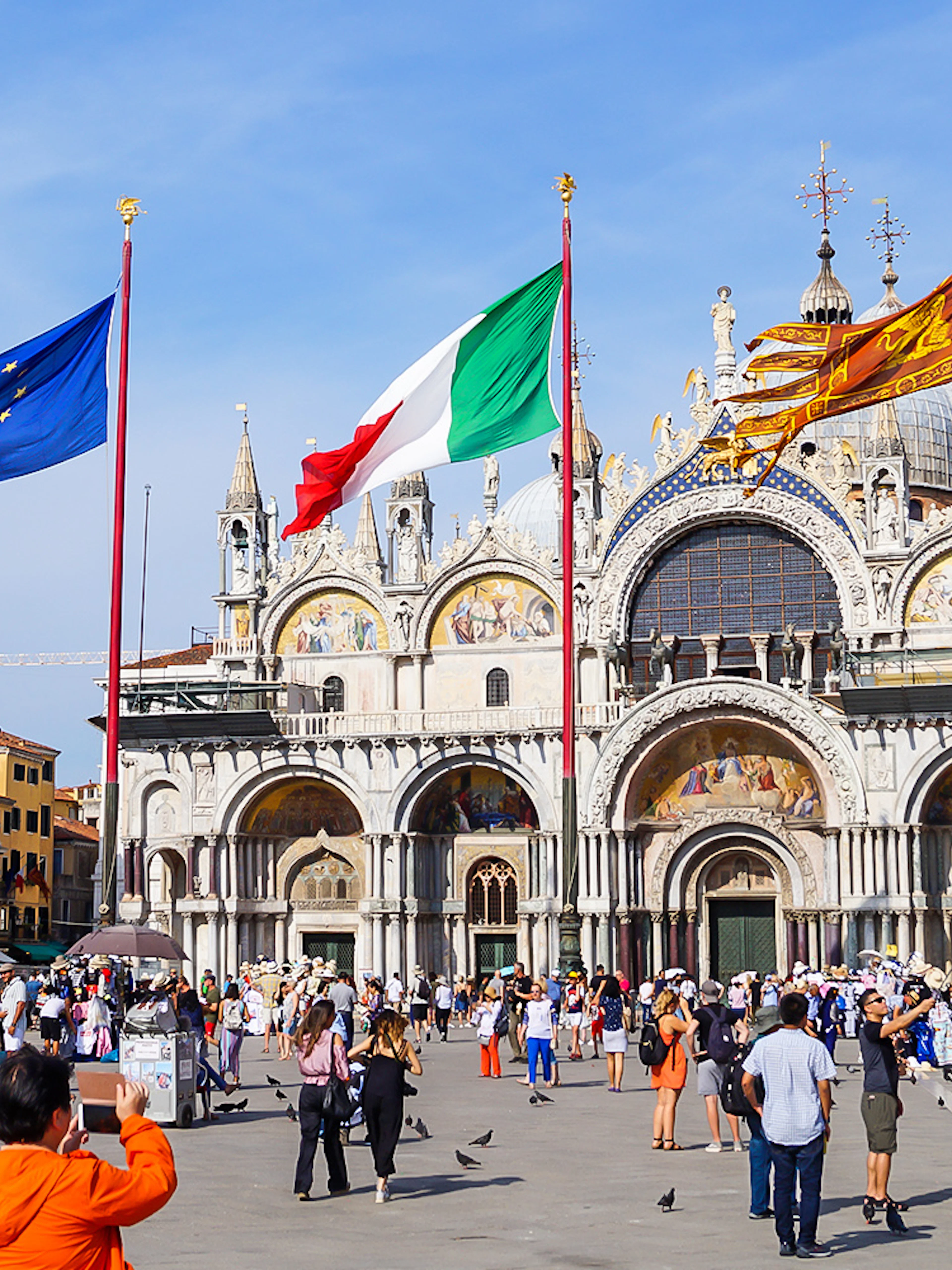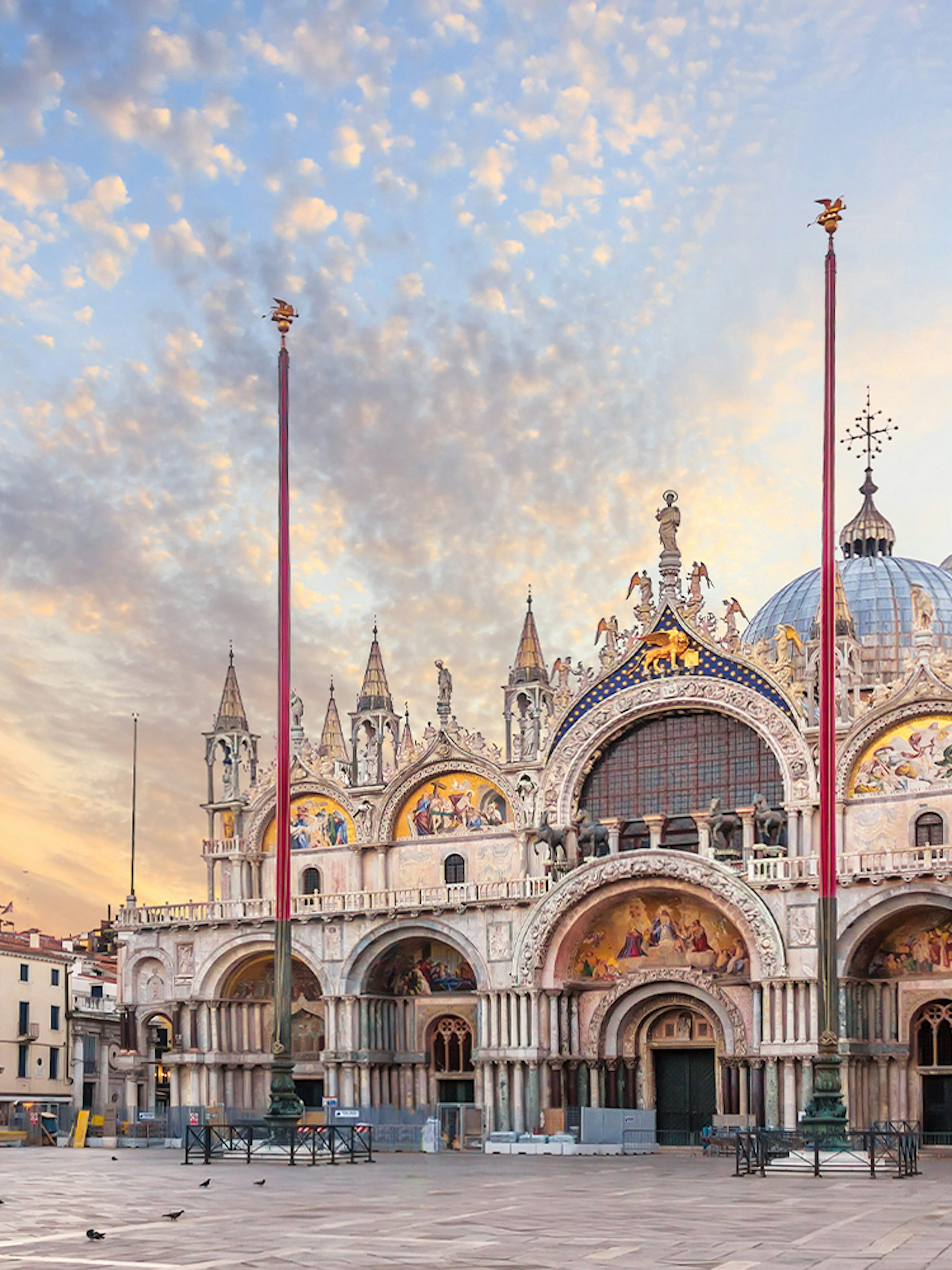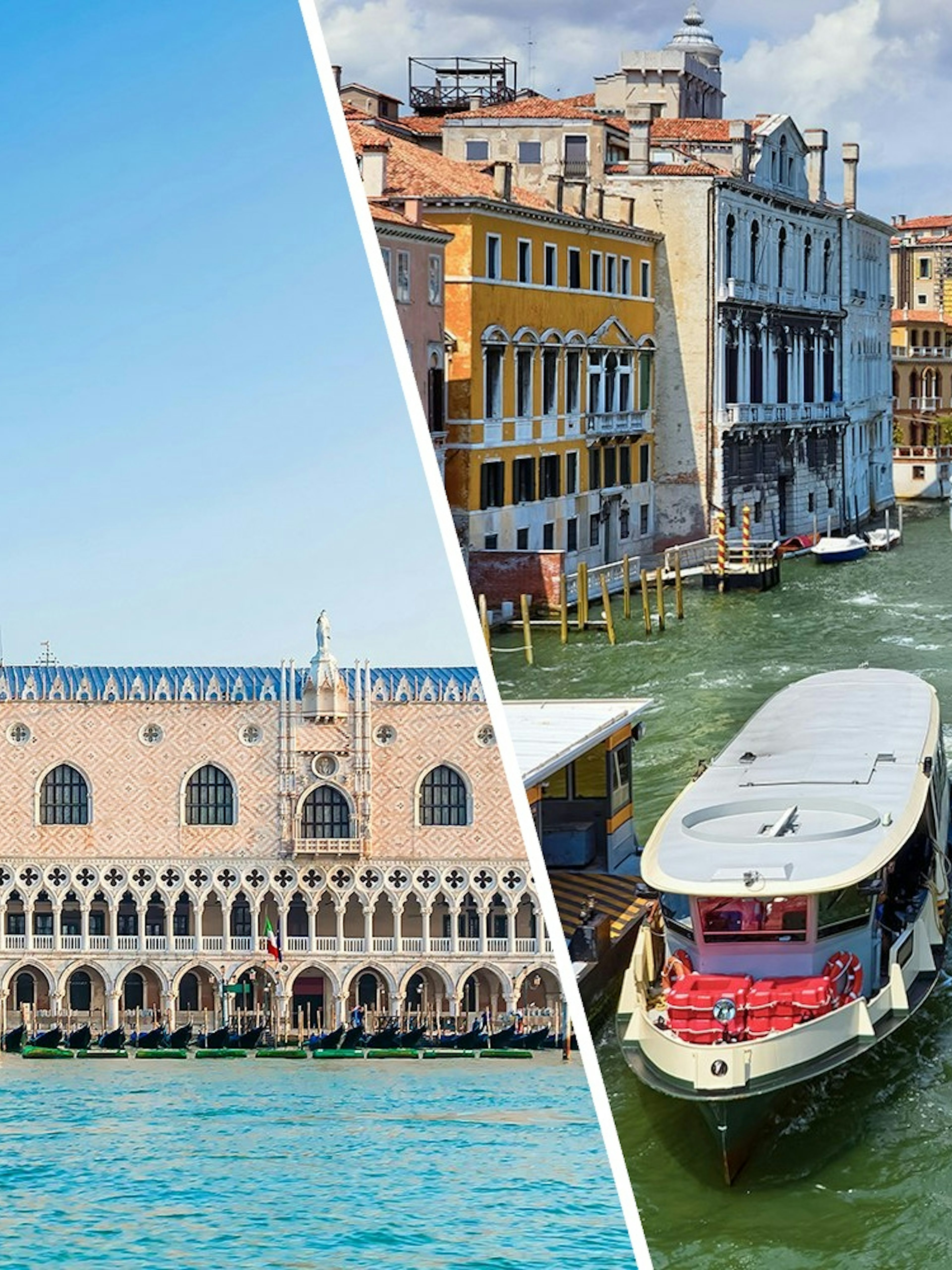
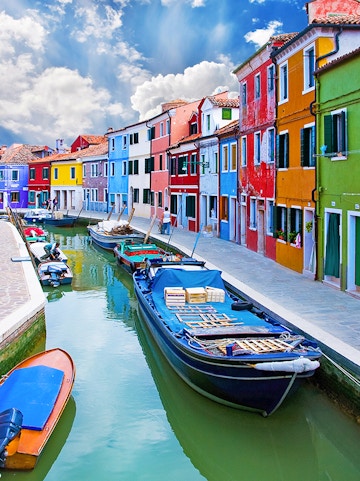
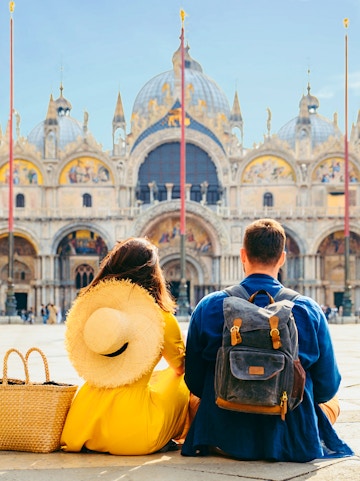

Kick off the Venice Carnival in style on February 7, 2026 at St. Mark's Square. The festivities feature a dazzling water parade along the Grand Canal, with beautifully decorated boats and performers, setting the stage for the vibrant celebrations ahead.
Top things to do in Venice
How Headout makes choosing experiences effortless
We curate the best ways to experience
We research and organise all unique experiences - from tickets to tours to special combos - so you get all the choices without the clutter.
We partner with the best
Every supplier is vetted for quality, reliability, and value so you only get top rated experiences. No surprises, no disappointments.
All the best options, in one place
Each experience is thoughtfully organised to give you maximum availability, great value and an easy way to choose.
Book with complete peace of mind
Free cancellations, Flexible payments, and 24/7 support - thoughtfully designed for flexibility, assurance, and total peace of mind.
Slide 1 of 41/4
Slide 1 of 4


Venice Carnival 2026 – Olympus, the origins of the game
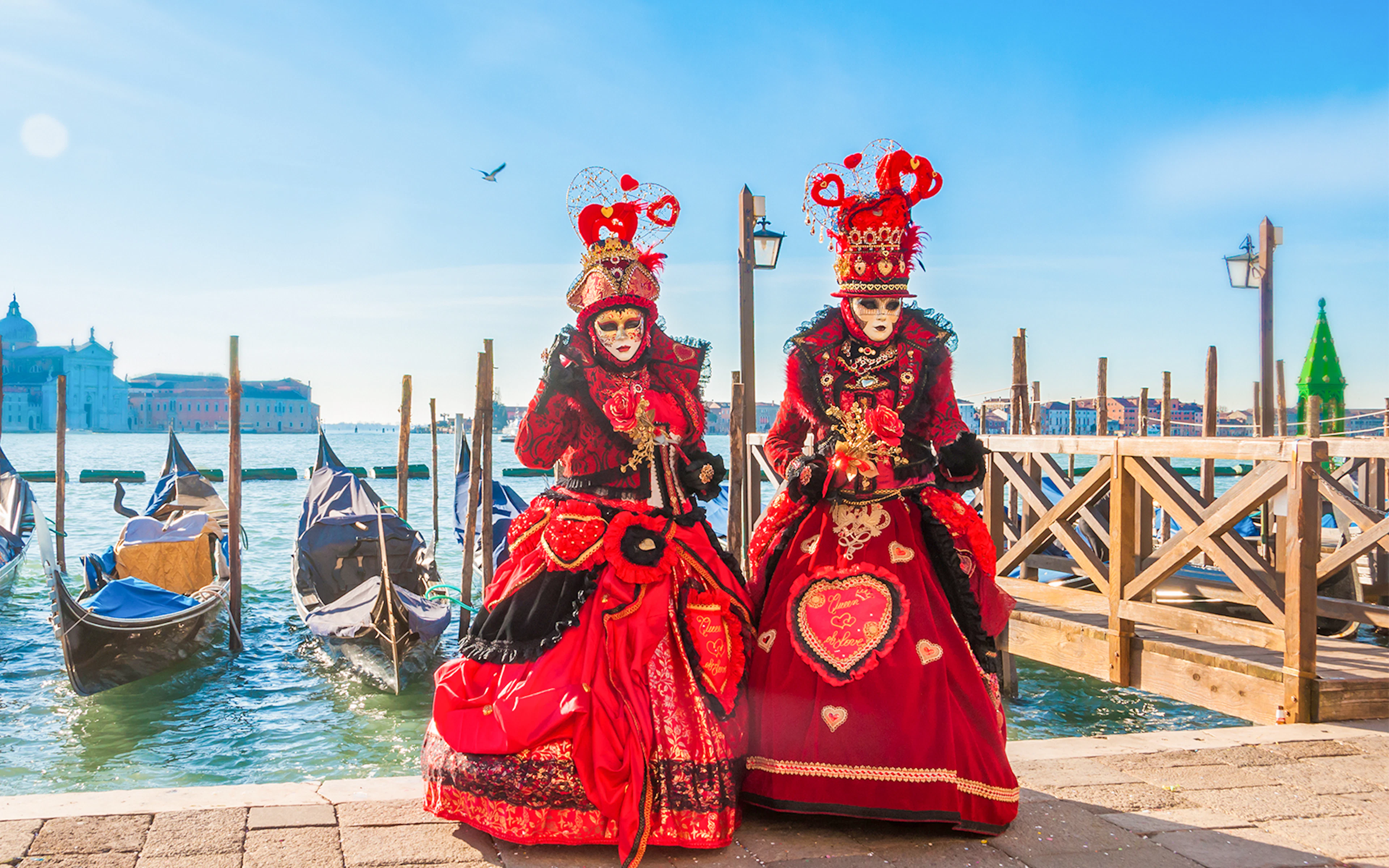
Pack your mask, Venice Carnival 2026 is taking over the city from January 31 to February 17, 2026. This year’s theme, “Olympus, the origins of play”, a tribute to the Olympic spirit as Italy gears up for the 2026 Milan-Cortina Winter Olympics. It also brings a mythological twist to the celebrations, blending ancient legends with the spirit of play and performance. Expect dazzling costumes, lively street shows, grand parades, and that signature Venetian magic drifting through the canals. Whether it’s your first Carnival or your fifth, Venice in February is pure theatre, and everyone’s invited on stage.
Why visit Venice during Carnival?
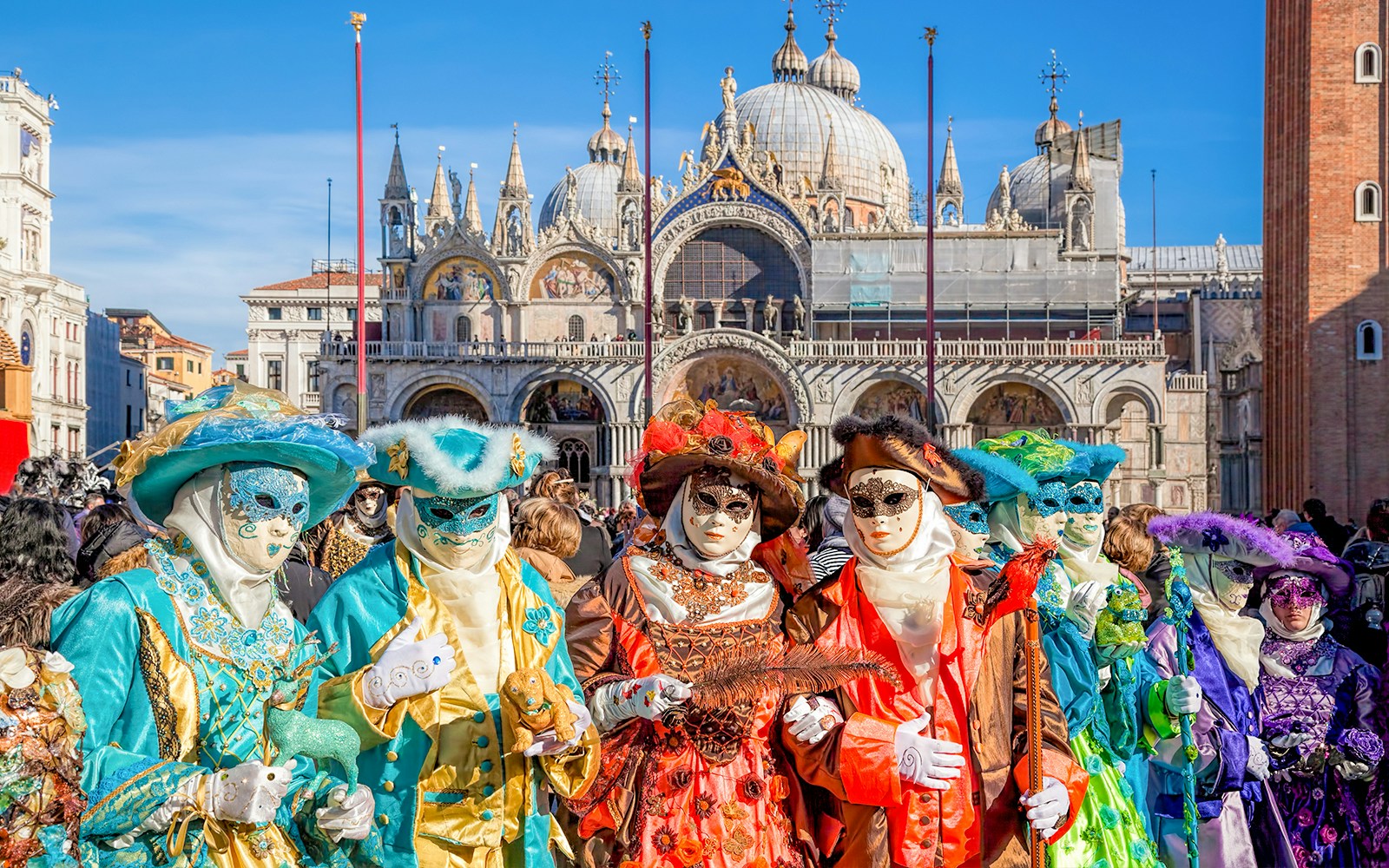
As Lord Byron once said, ‘Venice is like eating an entire box of chocolate liqueurs in one go.’ At the Carnival, this sentiment rings truer than ever.
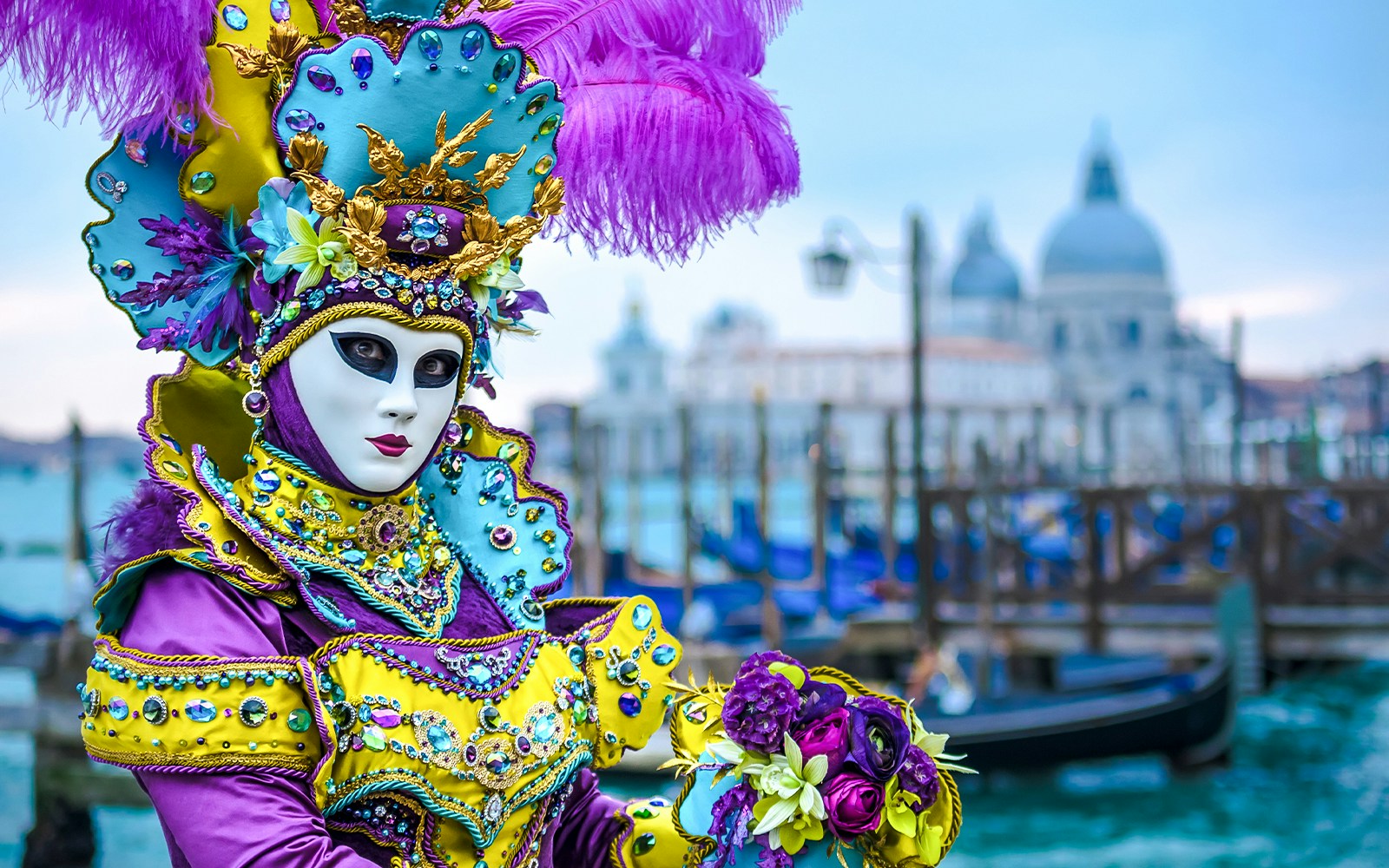
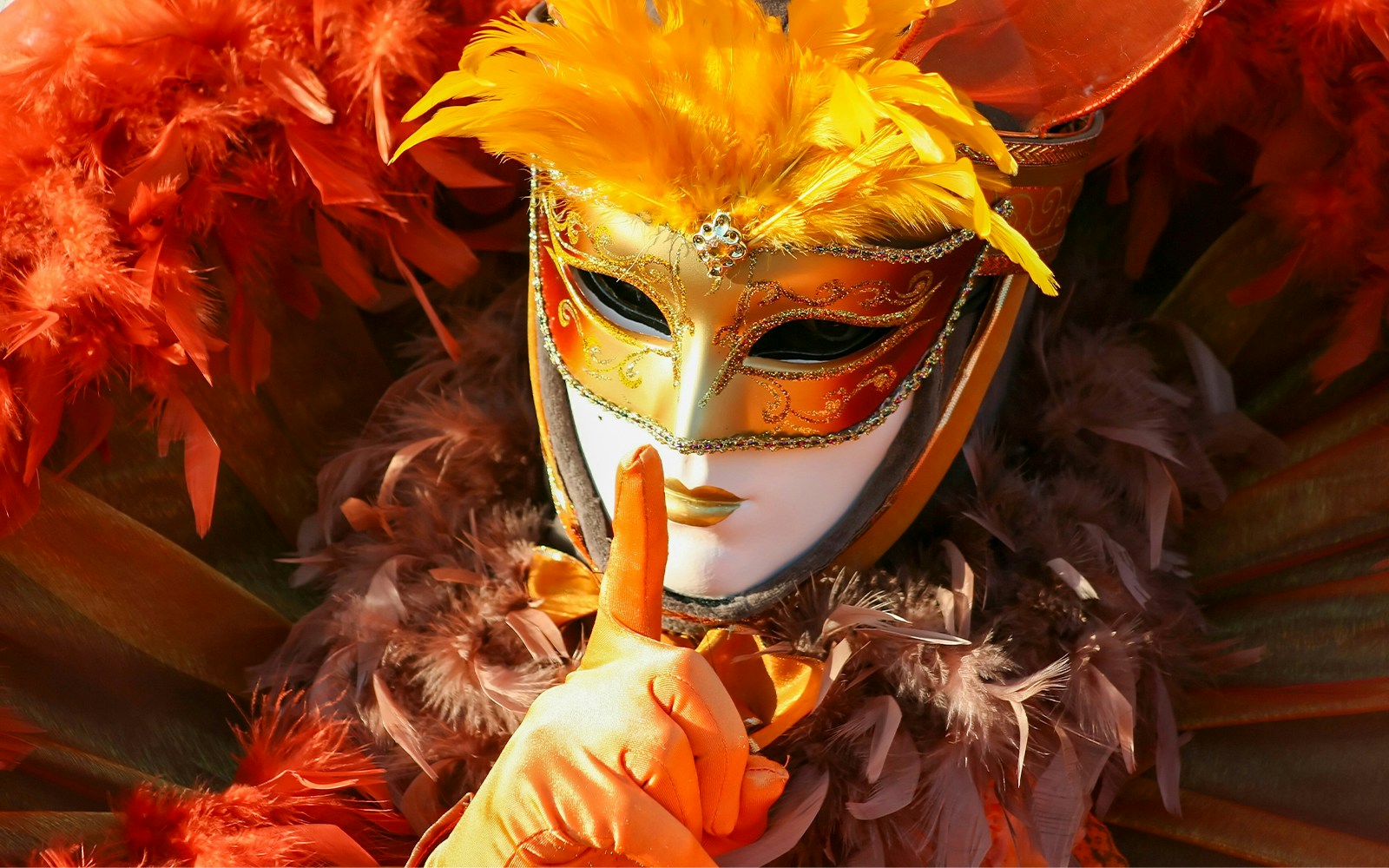
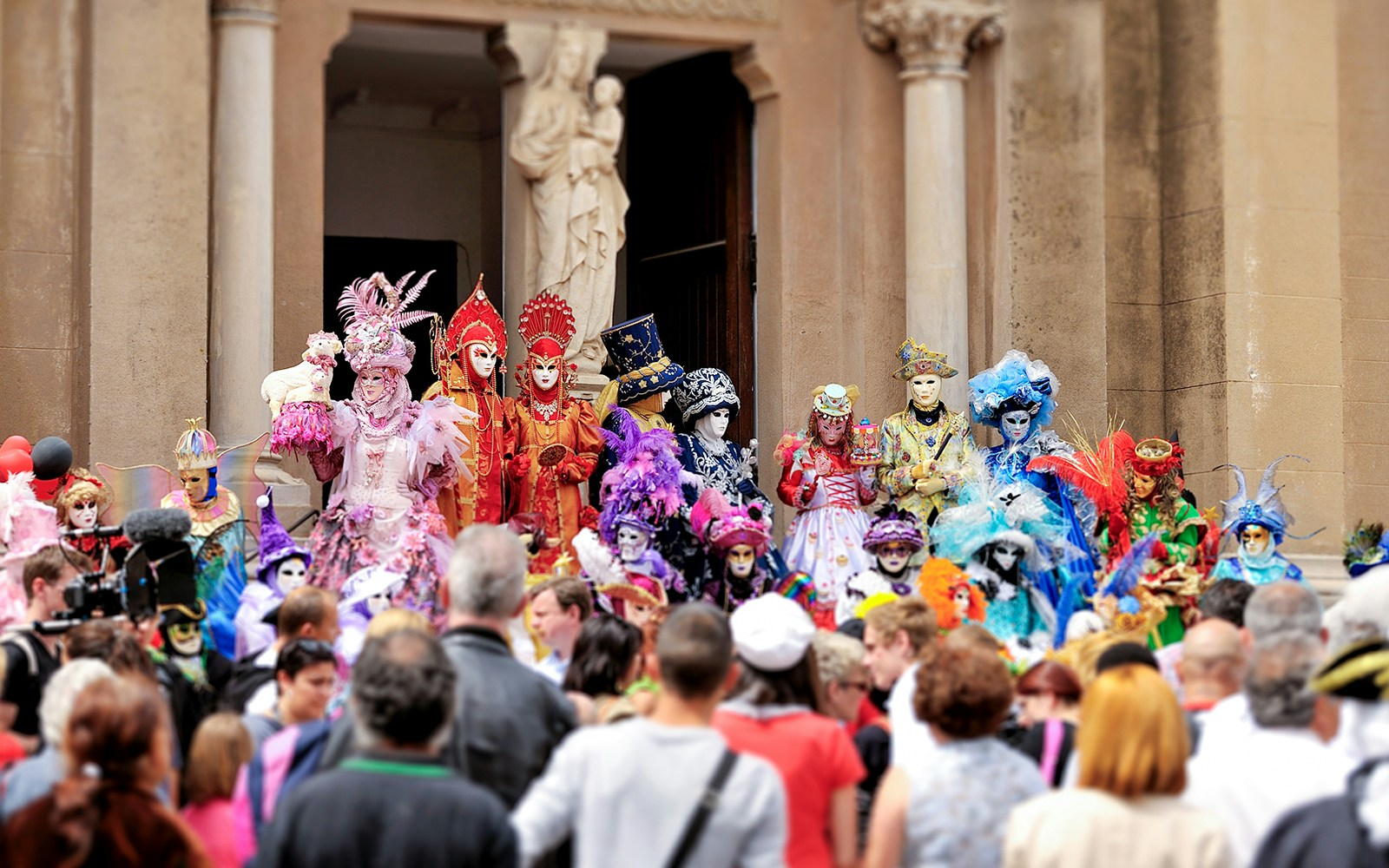
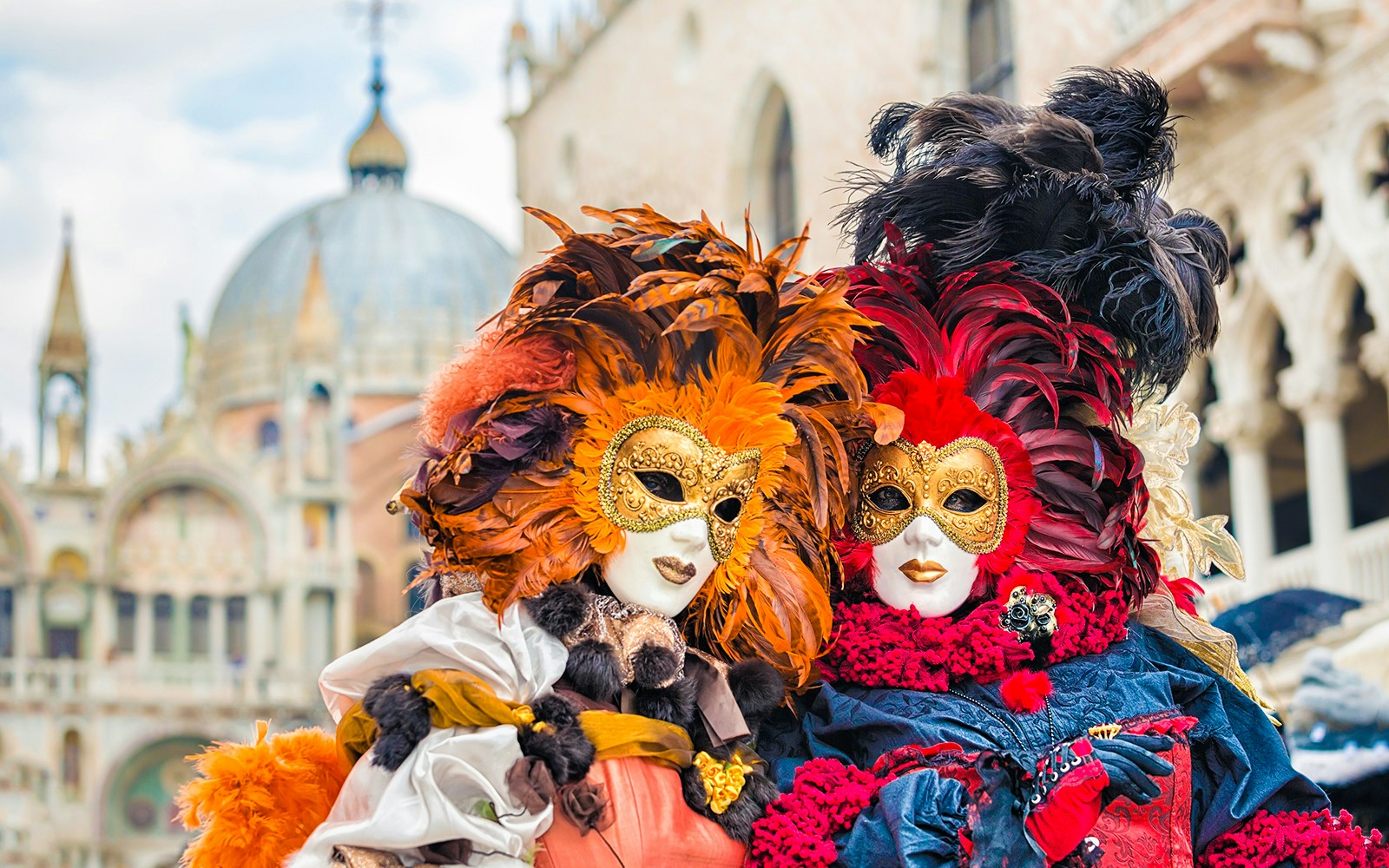
Experiencing the Venice Carnival
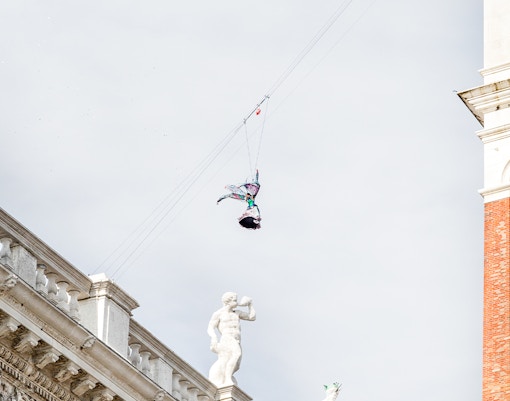
See the Flight of the Angel
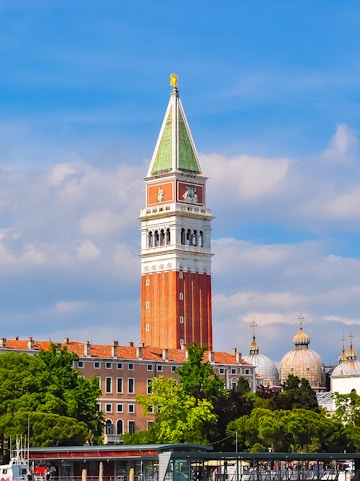
On February 8, 2026, make sure you’re in St. Mark’s Square by 12 pm to witness the Flight of the Angel. A performer will descend gracefully from the bell tower, marking the official start of the Carnival. It’s a spectacle you won’t want to miss!
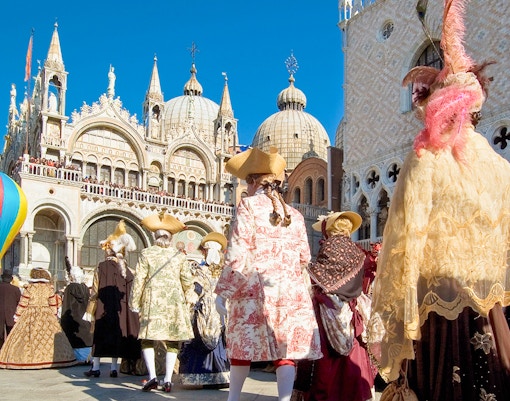
Be part of the Festa delle Marie parade
Celebrate Venetian tradition on February 7, 2026, from 3:30 pm to 4 pm as 12 beautiful girls (the “Marie”) take part in a colorful gondola procession from Santa Sofia to St. Mark’s Square, where they will be presented to the public.
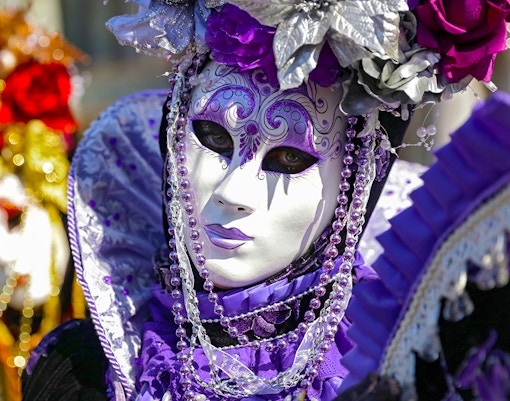
Participate in the best mask contest
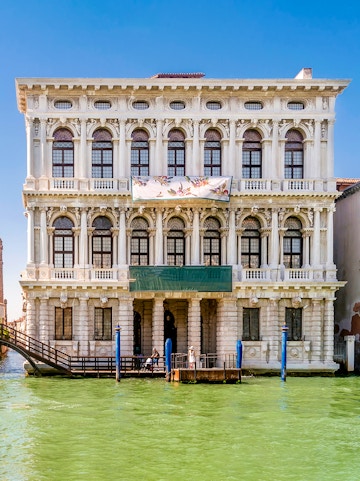
Show off your creative flair at the Best Mask Contest, held daily from February 7 to 17, 2026. Watch the most imaginative masks compete for a spot in the finals at St. Mark’s Square or Ca’ Vendramin Calergi Palace.
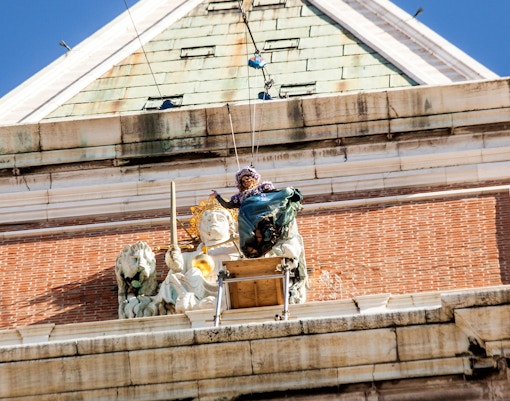
Experience the Flight of the Eagle
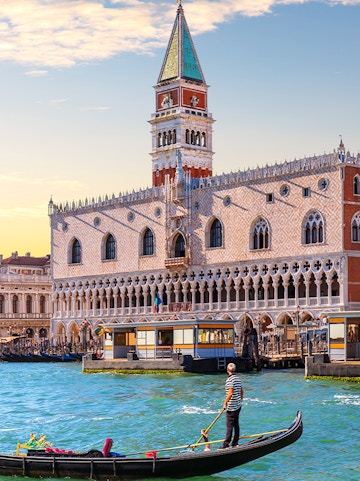
Don’t miss the thrilling Flight of the Eagle on February 15, 2026, from 12 pm to 1 pm at St. Mark’s Square. This daring descent from the Campanile is an unmissable spectacle that keeps the carnival’s energy soaring.
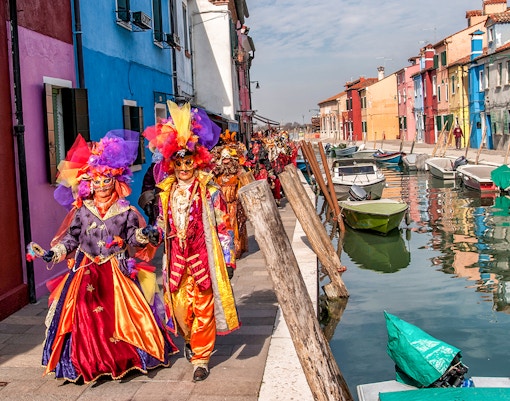
Partake in the Burano Carnival
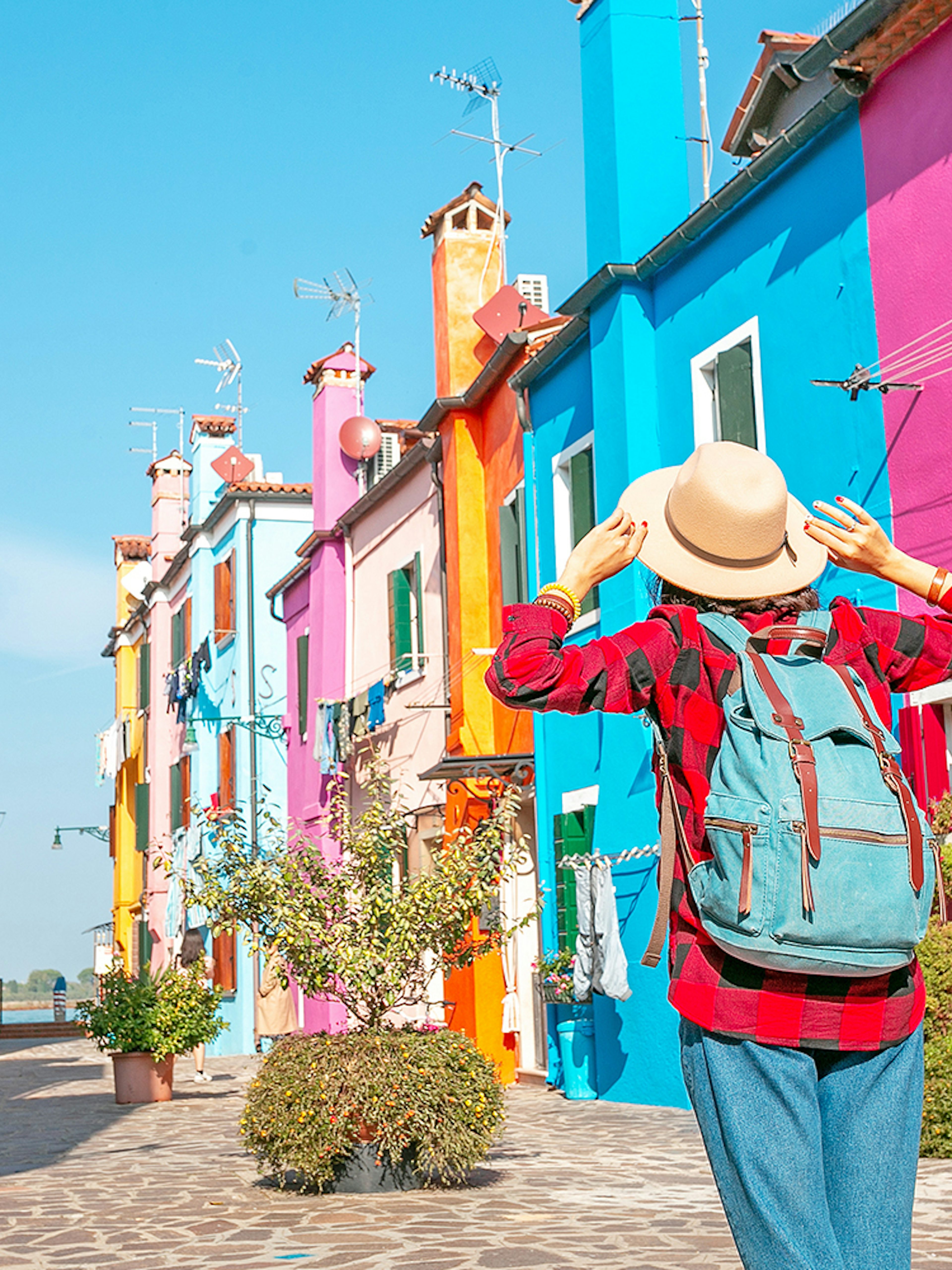
For a truly unique experience, head to Burano Island on February 14, 2026, from 3 pm to 11 pm. The Burano Carnival is a colorful celebration that recreates Doge Vitale Michiel II’s victory with a festive twist. It’s a fantastic way to see Venice’s charming islands come alive with pageantry!
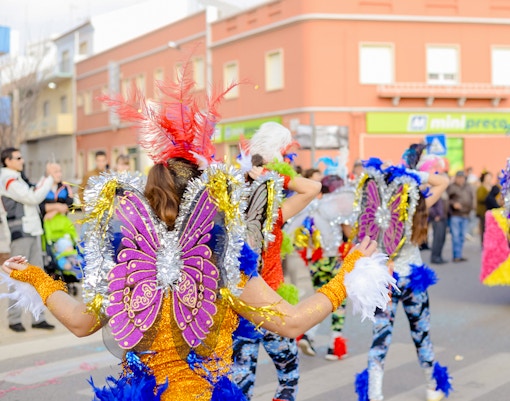
Don’t miss Il Ballo del Doge
On February 14, 2026, attend the legendary Il Ballo del Doge (venue details to be confirmed). This extravagant masquerade ball is the epitome of Venetian opulence and artistic grandeur. Dance the night away at one of the most prestigious events of the season!
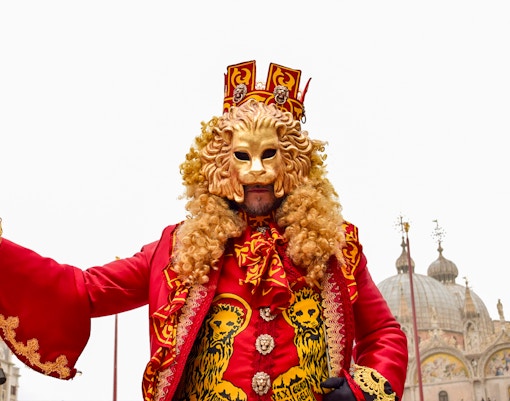
Witness the Flight of the Lion
As the Carnival wraps up, don’t miss the grand finale: the Flight of the Lion on February 17, 2026, at 5 pm in St. Mark’s Square. This epic moment, where Venice’s emblematic lion soars through the sky, marks the end of another unforgettable Carnival season.
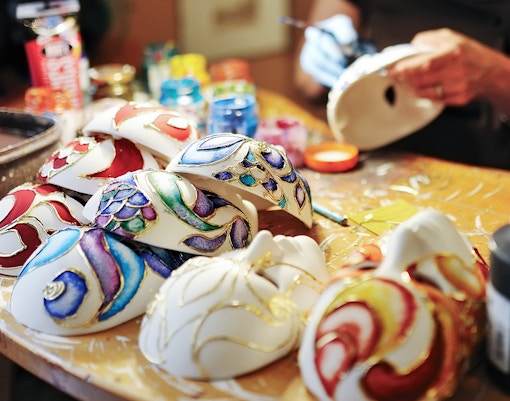
Explore Venice's costume and mask workshops
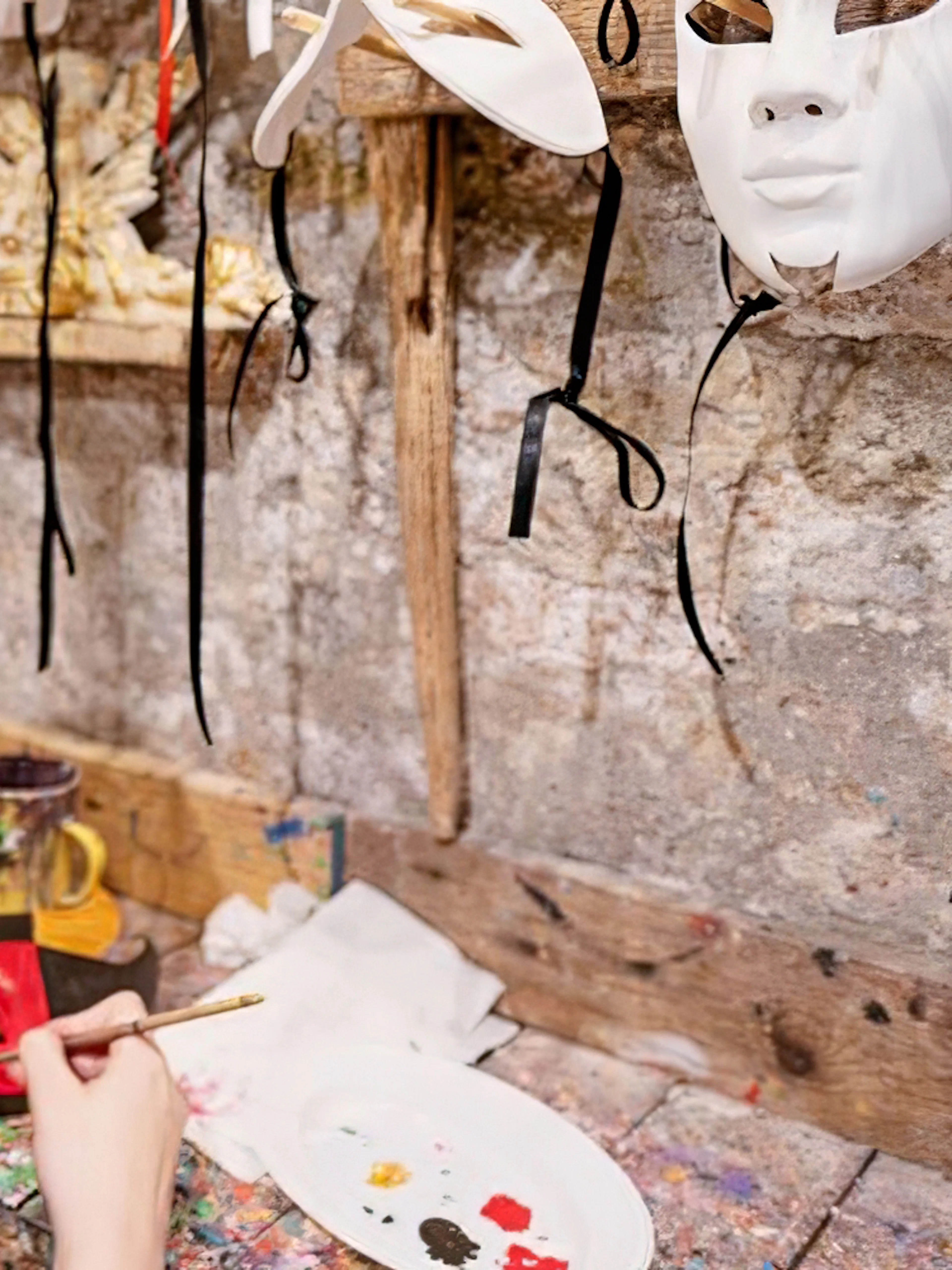
Need a break from the crowds? Head to one of the Venetian mask and costume workshops scattered around the city. Here, you can watch artisans create their stunning works of art, or even join in on a mask-making class to create your own unique masterpiece.
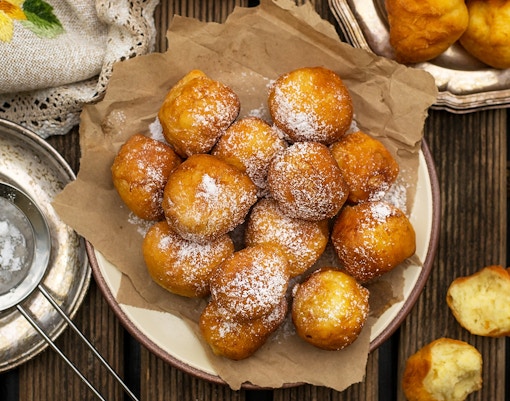
Indulge in Venetian carnival delicacies
No trip to the Venice Carnival is complete without trying the delicious treats on offer. Make sure to sample some frittelle (fried doughnuts filled with cream or raisins) and galani (crispy, sugar-dusted pastries). They’re as much a part of the Carnival as the costumes and masks!
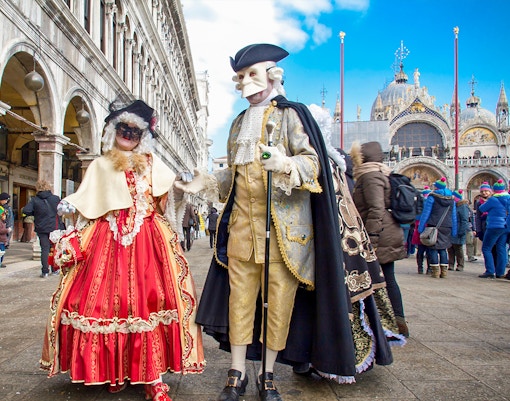
Watch street performances in Piazza San Marco
Piazza San Marco is the heartbeat of the Carnival. From acrobats and musicians to street performers in wild costumes, there’s always something happening. It’s the perfect spot to soak up the atmosphere, take in the sights, and snap some great photos.
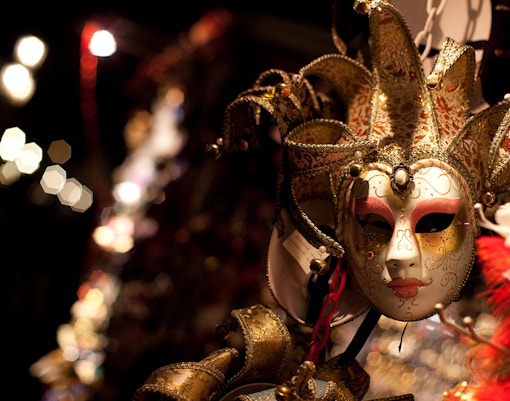
See Venice at night
After sunset, Venice Carnival becomes pure magic. The canals shimmer under streetlights, and masked revelers in elaborate costumes add a touch of mystery. St. Mark's Square feels straight out of a dream, with lanterns glowing and the buzz of music and masquerade balls filling the air.
The history of Venice Carnival & the masks
13th century: The birth of Carnival
Did you know Venice Carnival dates back to the 13th century? It began as a time for Venetians to let loose before Lent, with grand festivities, feasts, and dancing in the streets. Masks played a pivotal role in this celebration, blurring social classes and giving everyone the freedom to mingle and revel without judgment.
15th century: The golden age of masks
By the 15th century, Venetian masks had become true works of art, crafted with intricate designs and precious materials. They were more than just carnival accessories—they symbolized equality, mystery, and liberation in a city that thrived on its cosmopolitan culture.
18th century: The height of decadence
The 18th century marked Venice Carnival's peak, with lavish masquerade balls, elaborate costumes, and an air of secrecy. Masks added an element of intrigue, allowing wearers to explore their wild sides in a city known for its love of opulence.
1797: A pause in the tradition
Napoleon’s conquest brought an abrupt end to the carnival, as masks and festivities were banned to suppress Venetian traditions. The once-vibrant celebration went silent for nearly two centuries.
1979: The revival
Fast forward to 1979, when Venice Carnival made a triumphant comeback. Today, it’s a grand celebration of art, history, and culture, with masks remaining its most iconic symbol. From the traditional Bauta and Moretta to fantastical designs, masks continue to capture the spirit of mystery and freedom that defines Venice Carnival.
Why masks matter?
Venetian masks are more than beautiful accessories; they tell a story of equality, escapism, and timeless creativity. Whether simple or elaborate, they invite everyone to step into a world of wonder and intrigue, just as they did centuries ago.
Know before you attend the Venice Carnival 2025
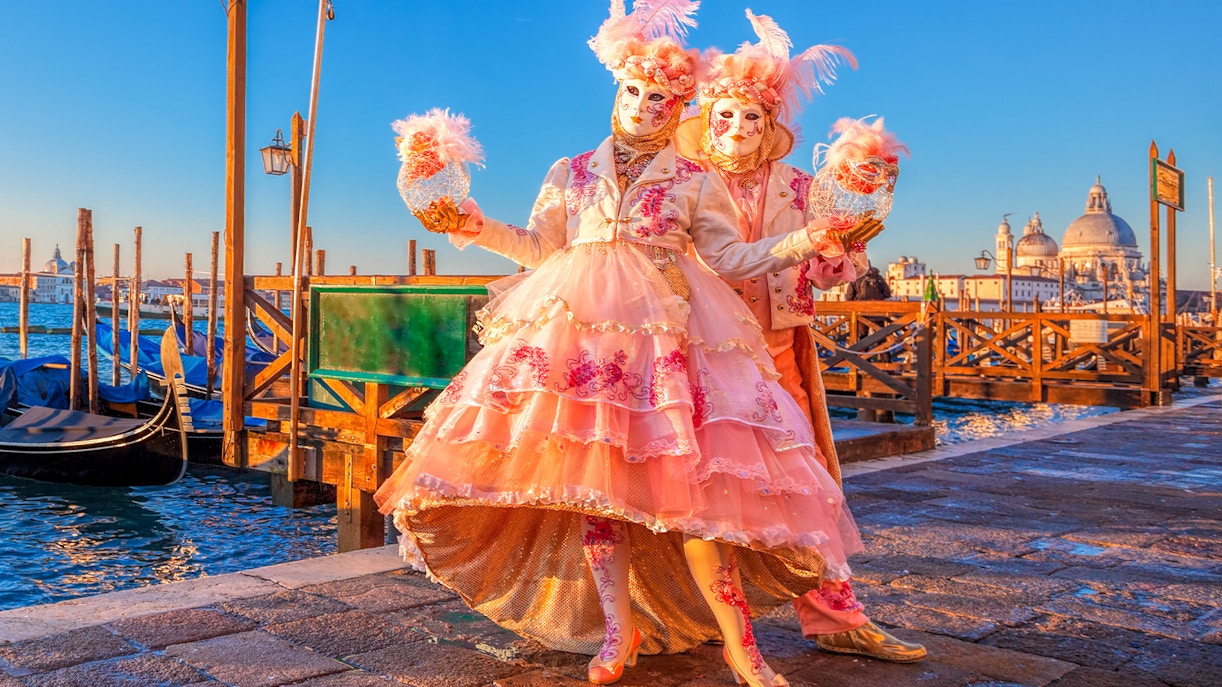
Dates: February 7 to February 17, 2026
- Grand Opening Water Parade: February 7, 2026; 11am at the Grand Canal
- Festa delle Marie Parade: February 7, 2026; 3:30pm – 4pm from Santa Sofia to Piazza San Marco
- Flight of the Angel: February 8, 2026; 12pm – 1pm at St. Mark’s Square
- Best Mask Contest – Grand Final: February 17, 2026 at Piazza San Marco
- Flight of the Eagle: February 15, 2026; 12pm – 1pm at St. Mark’s Square
- Burano Carnival: February 14, 2026; 3pm – 11pm at Burano Island
- Flight of the Lion: February 17, 2026; 5pm at St. Mark’s Square
- Corteo delle Marie – Presentation of the Maria of the Year: February 17, 2026; 3pm – 4pm at Piazza San Marco
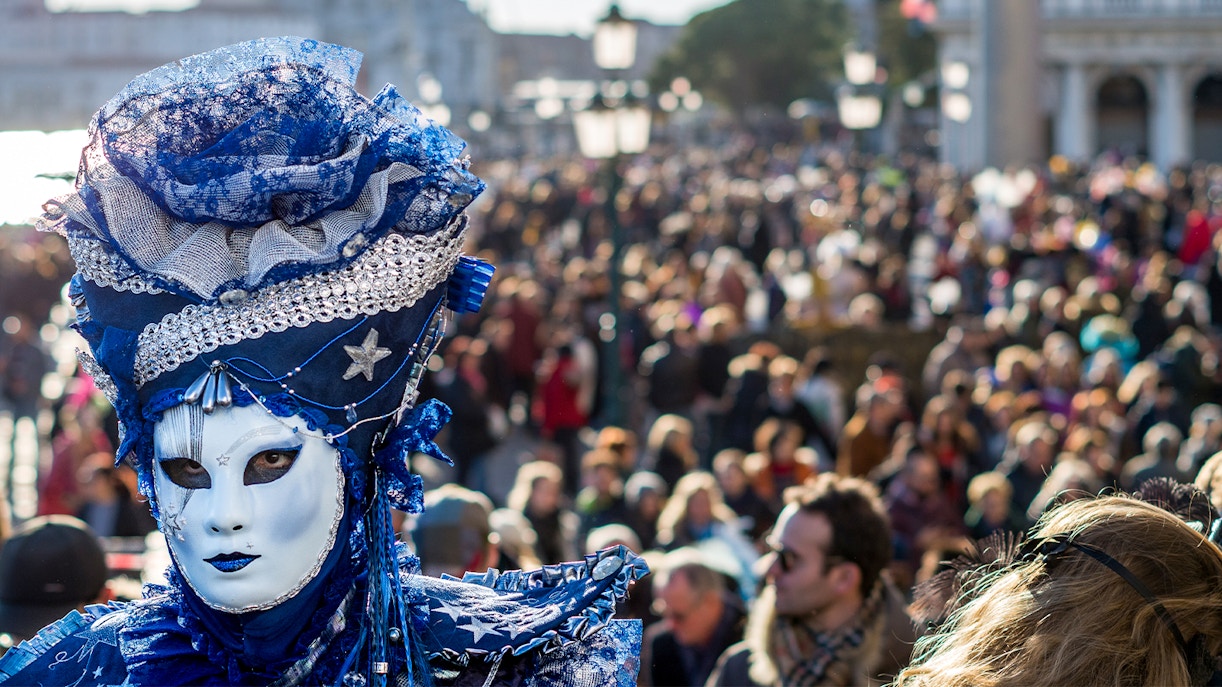
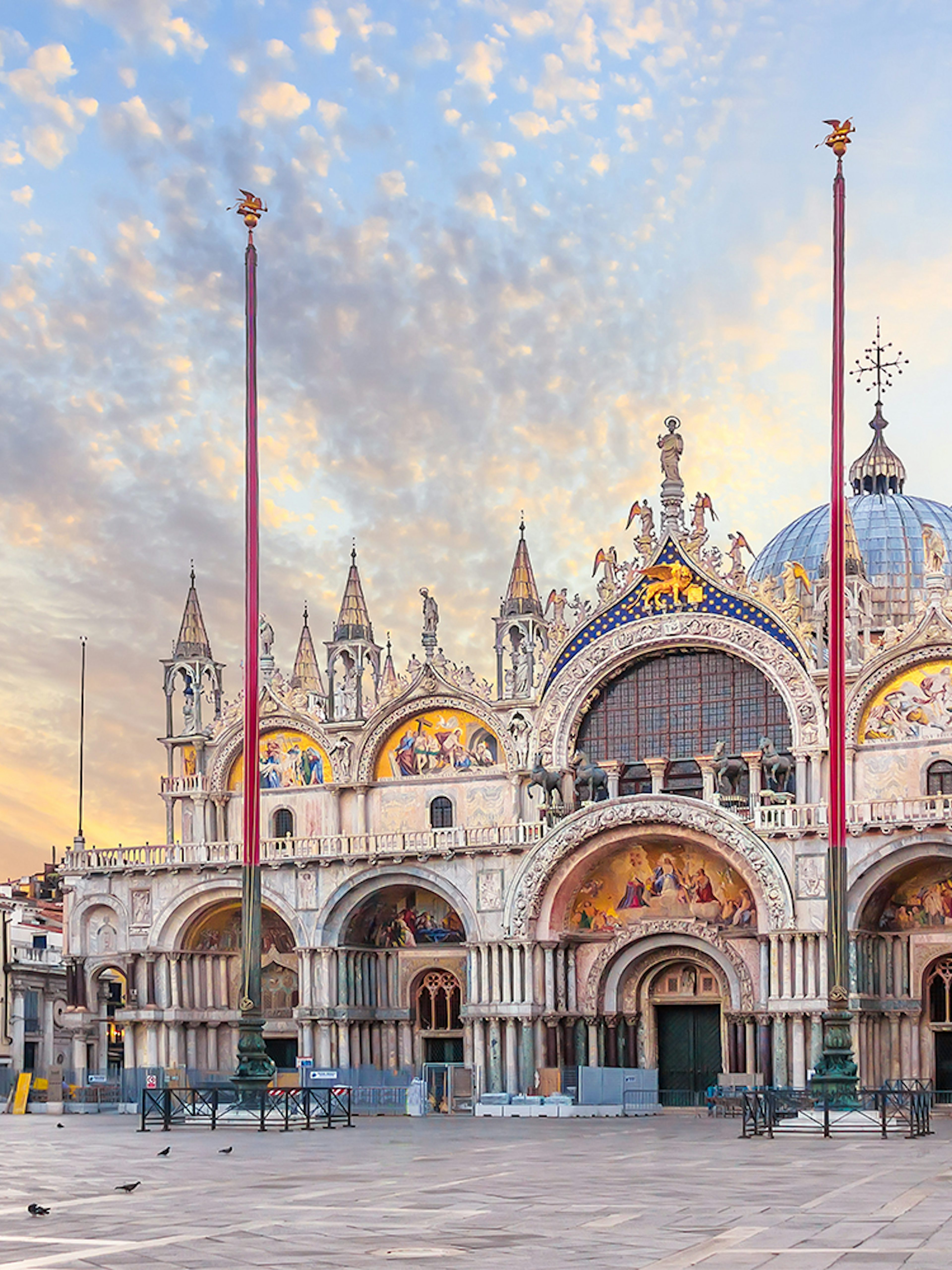
- St. Mark's Square: The Square is hub for major events - Opening ceremony, Best Mask Contests, and Grand Costume Mask Contest Awards Ceremony.
- Campanile of St. Mark's Square: The bell tower is the launch site for spectacular flights - Angel, Eagle, and Lion.
- Rio de Cannaregio: Hosts the traditional Venetian Water Festival.
- Burano: Carnival on the Burano island and Grand Final Qualifications for Best Mask Contest.
- San Pietro di Castello: The starting point for the Festa delle Marie Parade, where twelve maidens in traditional costumes begin their procession to St. Mark's Square.
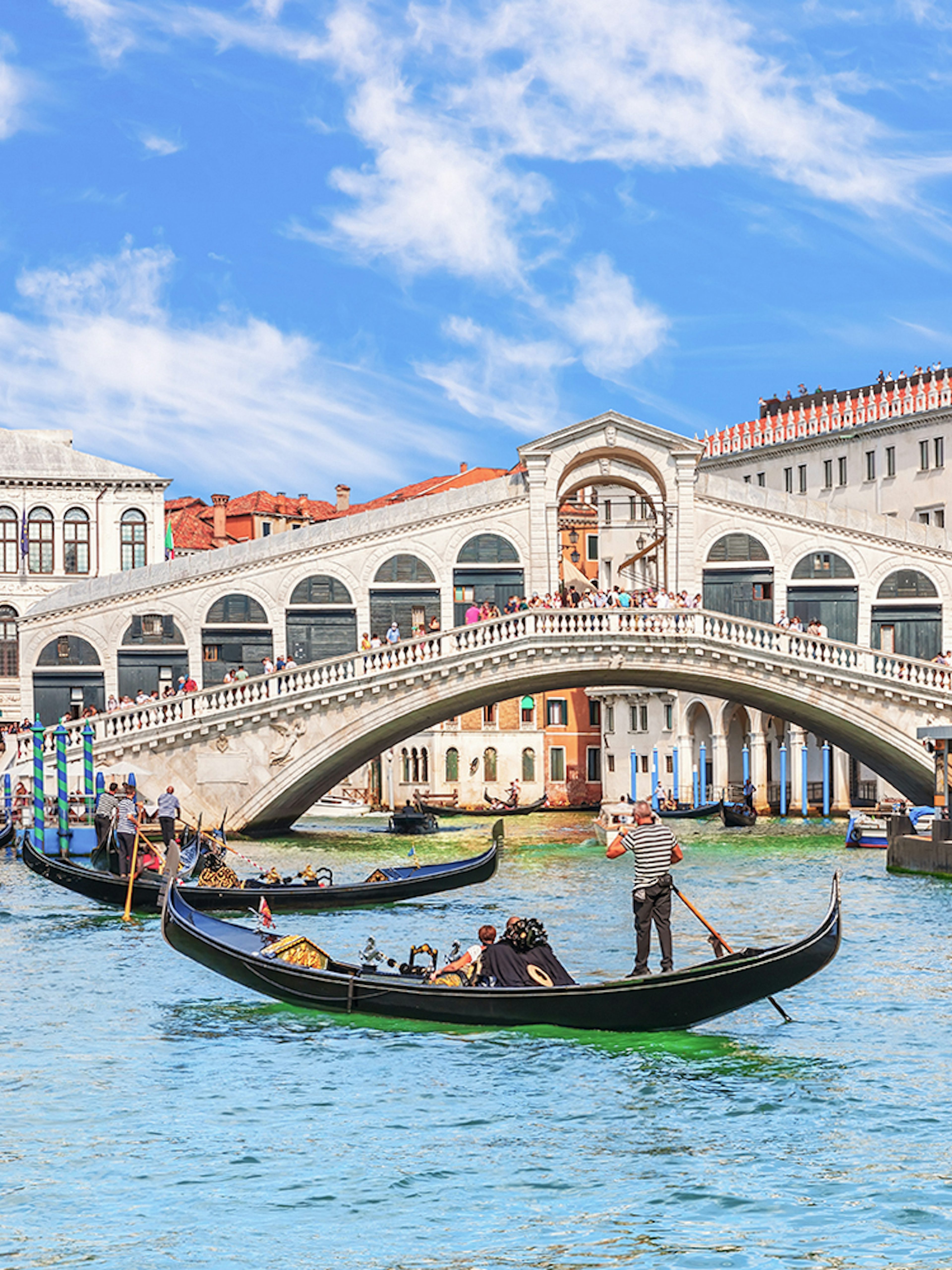
- Rialto Bridge: A great spot to see gondola parades and enjoying the festive atmosphere.
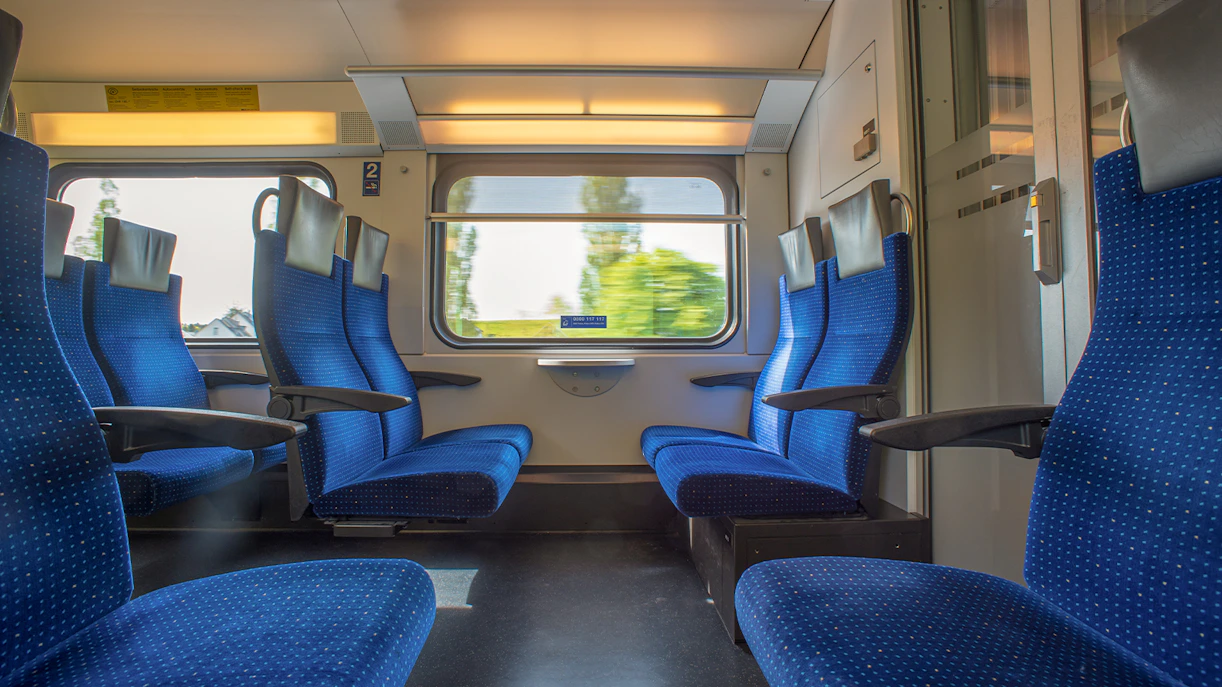
Routes to Venice:
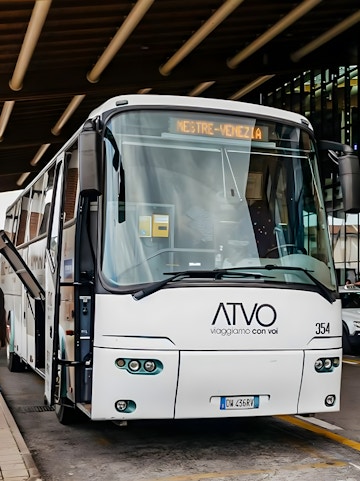
- By air: Fly into Marco Polo Airport (VCE), located about 13 km from Venice. From the airport, you can either take Alilaguna Water Bus with direct boats to major stops like San Marco, Rialto, or Fondamente Nove, takes about 1 hour, or take ATVO Bus shuttle service to Piazzale Roma, Venice's main bus station, followed by a Vaporetto (water bus) to reach central areas.
- By train: Arrive at Venice Santa Lucia Station, which connects directly with major cities like Rome, Florence, and Milan. From the station, you can easily access the Vaporetto lines (1 and 2) to get to key carnival locations.
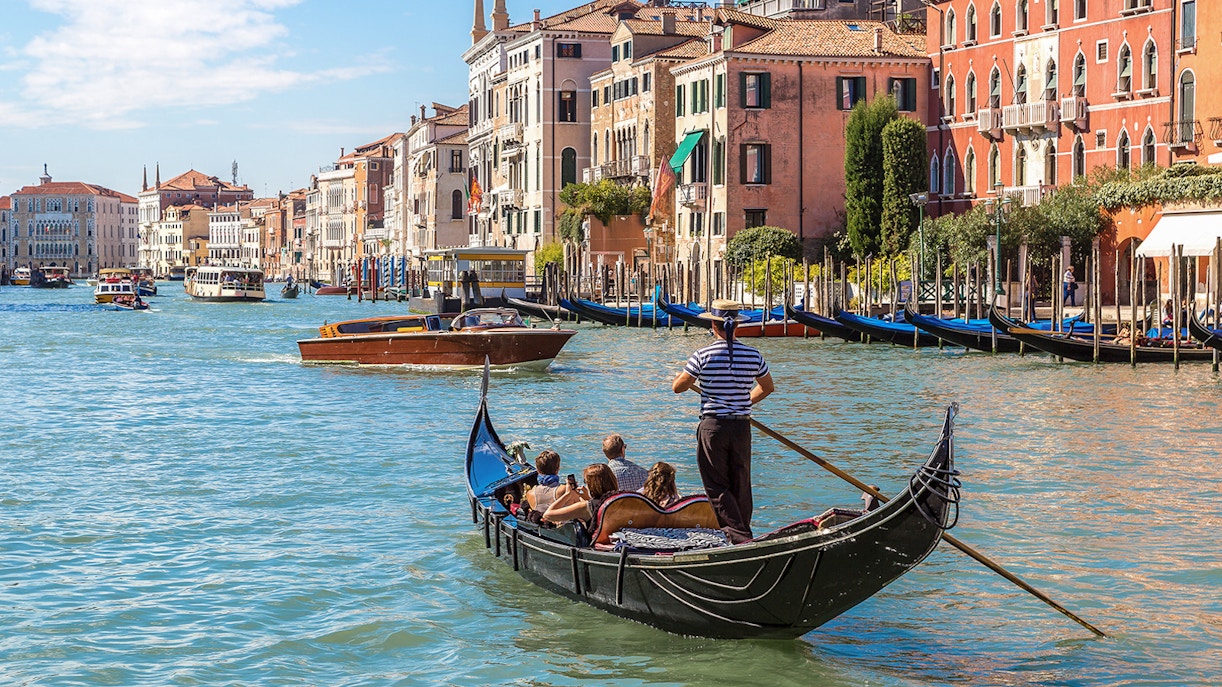
- Vaporetto (Water Bus): The most convenient way to navigate Venice’s canals. Purchase a day pass for unlimited travel on the Vaporetto, which is especially useful during the busy carnival period. Expect longer wait times due to crowds.
- Gondolas: While more expensive, a gondola ride offers a unique perspective of the city and is a quintessential Venetian experience.
- Walking: Venice is best explored on foot. Wear comfortable shoes as you’ll be navigating cobblestone streets and numerous bridges.
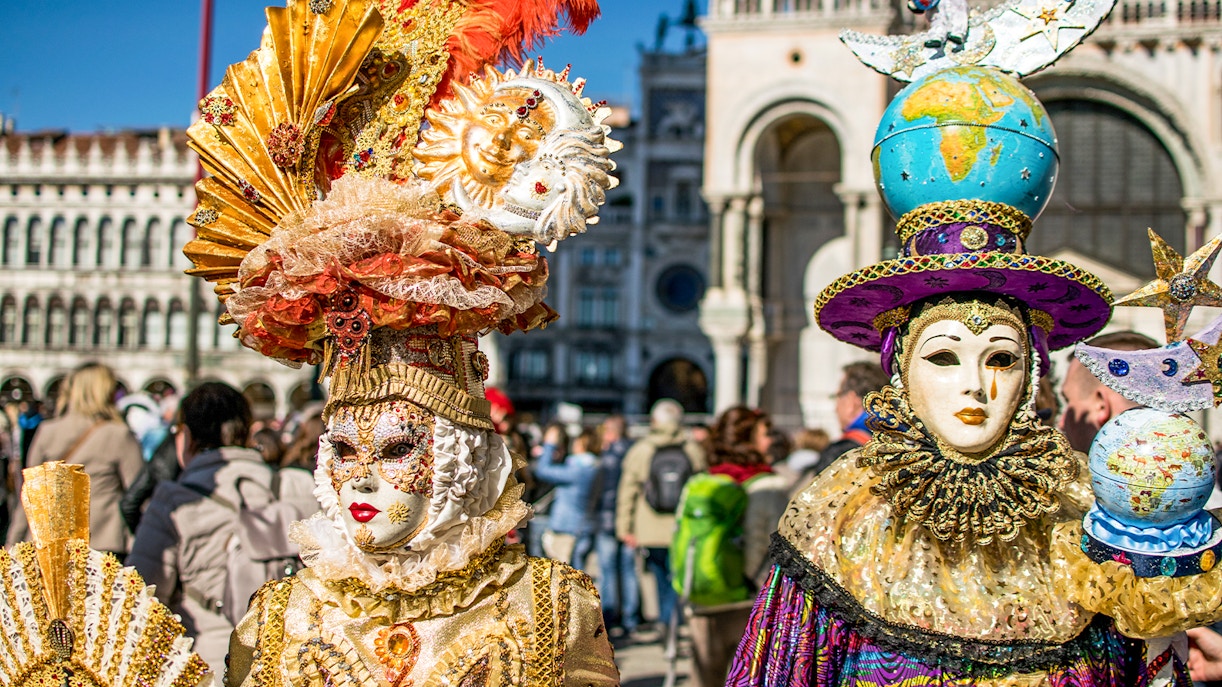
For the Venice Carnival 2025, the best times to visit are:
- Opening weekend (February 22-23): Experience the grand opening water parade and the Flight of the Angel, which marks the official start of the carnival.
- Middle weekend (February 29 - March 2): This period features major events, including costume contests and various parades, making it an exciting time to be in Venice.
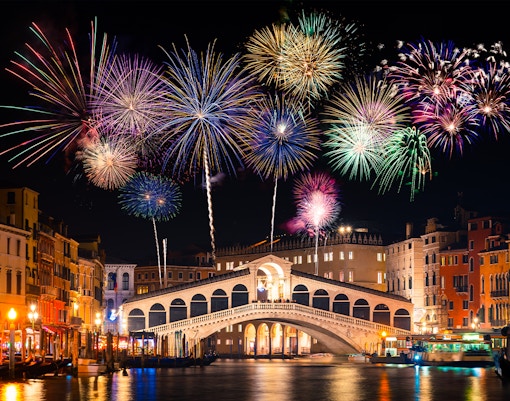
- Fat Tuesday (March 4): The grand finale includes fireworks, live music, and a magical atmosphere as the carnival comes to a close.
If you prefer to avoid large crowds, visit during midweek days. These days typically offer a more relaxed experience, allowing you to explore Venice’s hidden gems, museums, and churches without the hustle and bustle of weekend crowds.
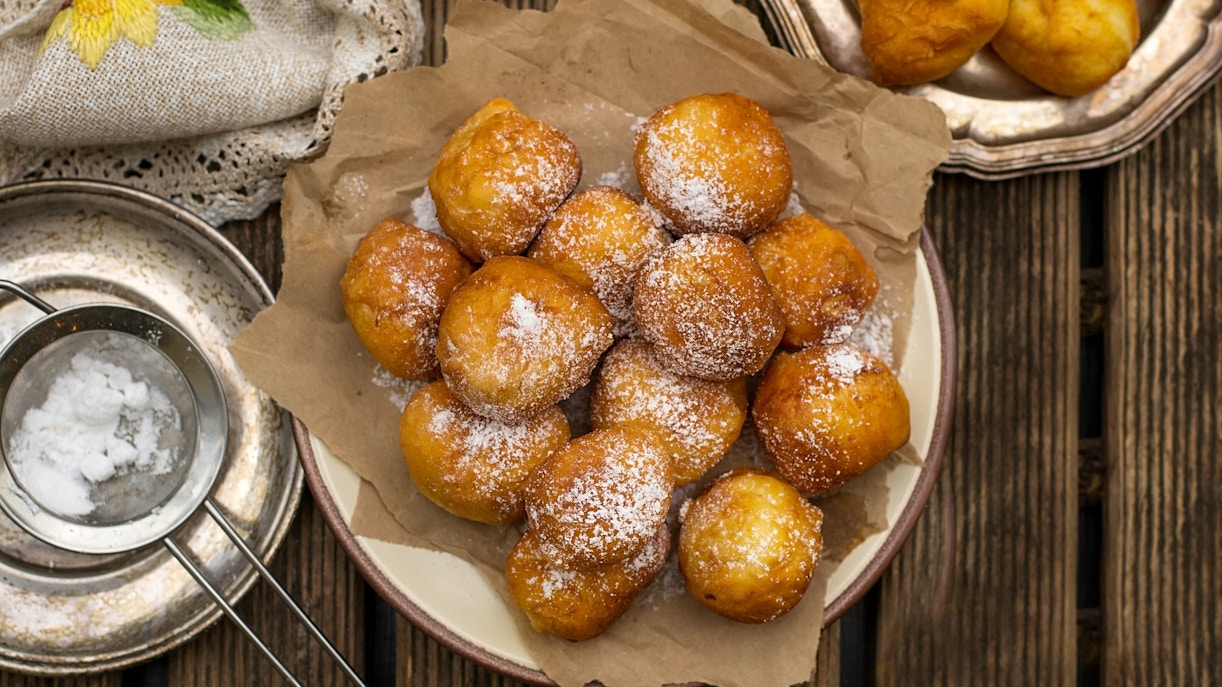
While attending the Venice Carnival, indulge in these local delicacies:
- Fritole: Traditional Venetian fried doughnuts often filled with cream or raisins, a must-try during the carnival.
- Cicchetti: Small plates of Venetian tapas served in bars throughout the city. Perfect for sampling local flavors while enjoying a drink.
- Sgombro alla Griglia: Grilled mackerel, a popular dish in Venice that showcases fresh seafood.
- Baccalà Mantecato: A creamy cod spread served on toasted bread, ideal for snacking as you explore.
- Prosecco: Sip on this sparkling wine, which is a staple in Venetian cuisine and pairs perfectly with many local dishes.
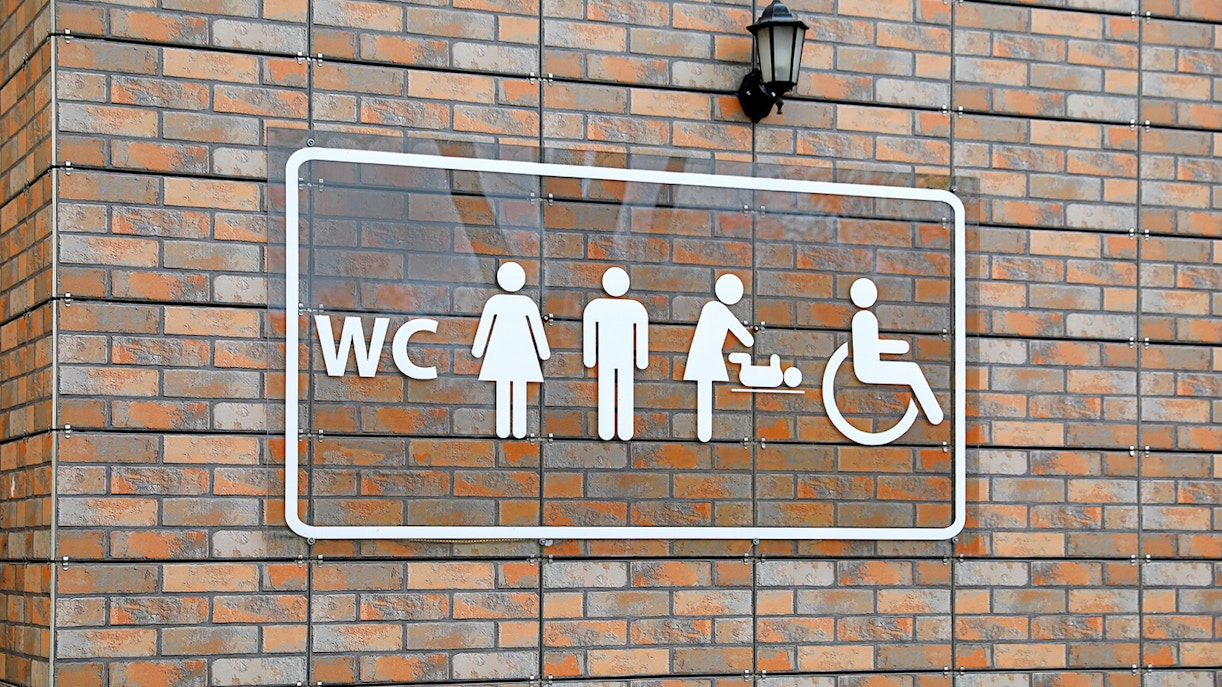
- Information centers
- Rest areas
- Security measures
- Food stalls
- Restrooms
- First aid stations
- Venetian mask shops
- Public transportation
- Venice Carnival guide services
- Lost and found
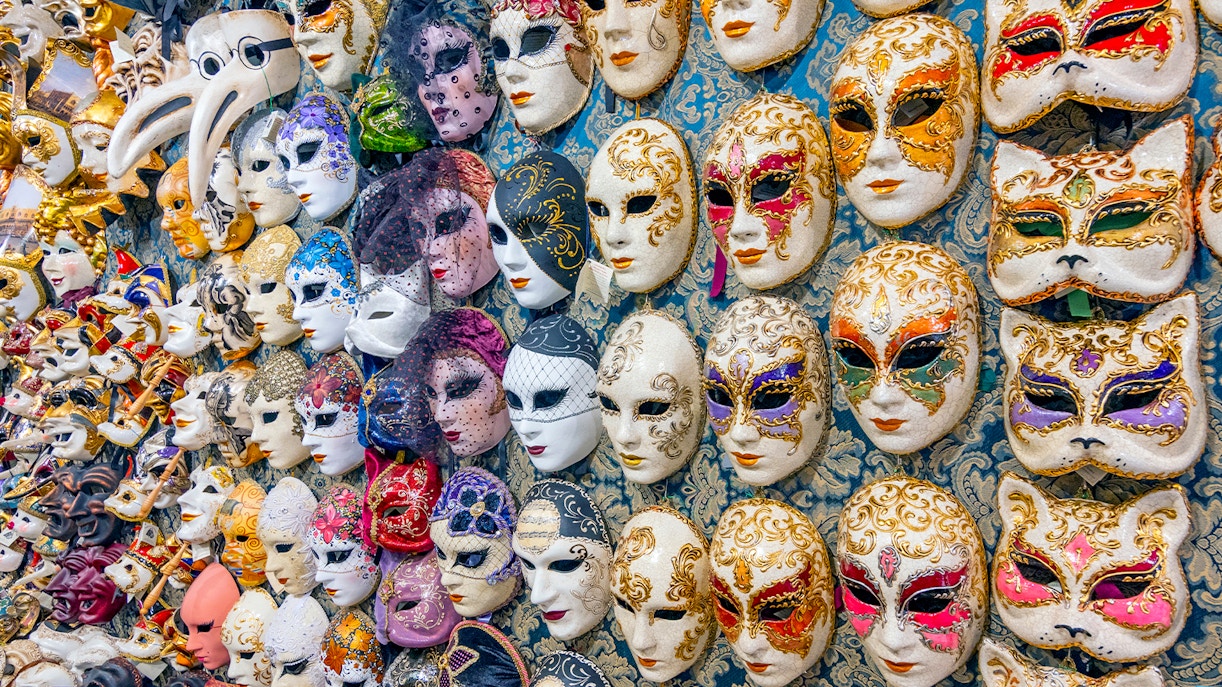
- For unique and intricate masks, shop early. Venice Carnival is known for its stunning masks, and the best ones often sell out quickly.
- While St. Mark's Square is iconic, venture into less crowded areas for a more intimate experience. Enjoy the Carnival away from the bustling crowds.
- If you plan to attend specific events or attractions, book tickets in advance. Popular destinations can sell out quickly.
- Embrace the Carnival spirit with a cool costume. Traditional Venetian costumes can be rented from ateliers in the city.
- Take a break from the festivities to savor some authentic Venetian dishes at local eateries. Get a Venetian frittella, a raisin-studded fried doughnut.
- Not all Carnival events require tickets. Keep an eye out for free street performances, parades, and open-air celebrations.
- The final weekend is the most popular, so be prepared for large crowds. If you prefer a more relaxed experience, consider visiting earlier in the Carnival season. Also, beware of scammers and pickpockets.
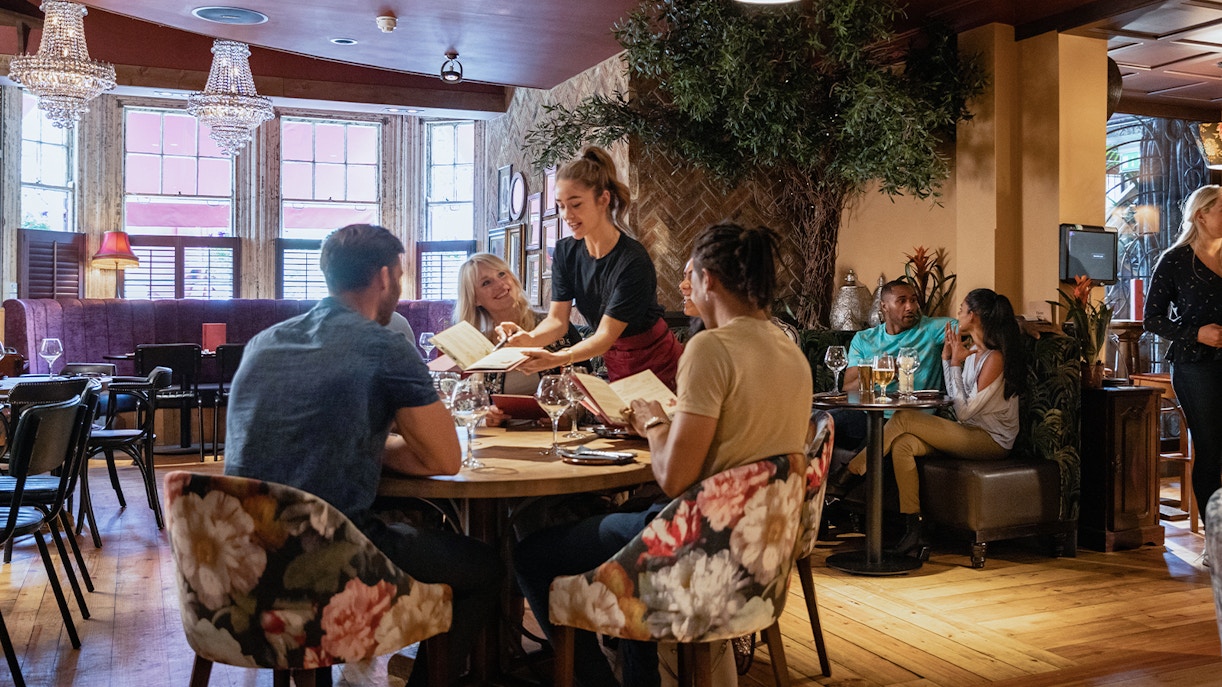
- Osteria Enoteca Ai Artisti: Enjoy traditional Venetian dishes and a diverse wine selection in this charming osteria.
- Trattoria da Remigio: Indulge in hearty seafood dishes at this rustic trattoria with outdoor seating.
- Al Nono Risorto: Savor delicious pizza and pasta at this family-run restaurant.
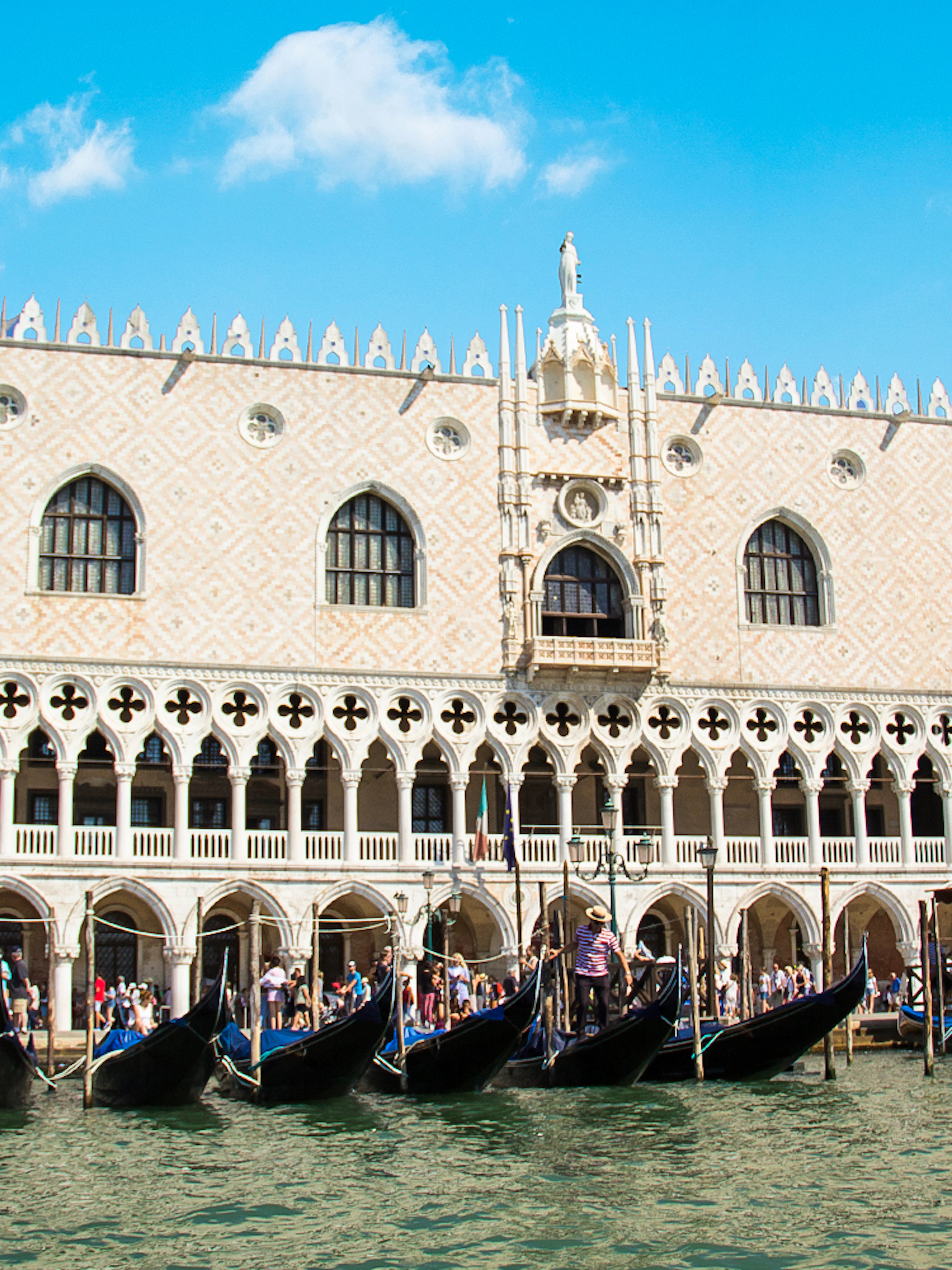
- Caffe Chioggia: A delightful dining near Doge's Palace with great music and a fantastic atmosphere at Caffe Chioggia.
- Bar Mio: Unwind after the hearty Carnival at the lively Mio with a drink, just 500 meters from Doge's Palace.

- San Marco District: The heart of Venice, perfect for those who want to be in the heart of the action, home to major attractions like St. Mark's Basilica and the Doge's Palace. Options: Hotel Danieli, Albergo San Marco.
- Dorsoduro District: Known for its artistic vibe, Dorsoduro is quieter than San Marco but still within walking distance of major attractions. It features beautiful canals and cultural sites. Options: Il Palazzo Experimental, Carnival Palace Hotel.
- Cannaregio District: Less touristy and good for a more authentic Venetian experience, with charming streets and local eateries.Options: Hotel Antiche Figure, Hotel Ca' D'Oro.
- Lido Island: Known for its beaches, Lido is a relaxing escape from the bustling city center while still providing easy access to Venice.Options: Hotel Villa Pannonia, Grand Hotel des Bains.
- Murano Island: Famous for its glass-making, Murano gives you a unique experience with fewer crowds and picturesque views. Options: LaGare Hotel Venezia
Frequently asked questions about Venice Carnival
While many of the outdoor events are free, some of the grand balls, concerts, and exclusive parties do require tickets. If you’re planning to visit popular attractions during Carnival, it’s recommended to book your tickets 1-2 weeks in advance to avoid disappointment.
Most masquerade balls have a strict costume dress code, and it's often part of the experience to attend in period Venetian attire. If you don't have a costume, many rental services in Venice offer authentic options for the event. Be sure to book in advance to guarantee your costume.
To secure a good spot for the Flight of the Angel, it's recommended to arrive at least 1-2 hours before the event, especially since this is one of the Carnival’s most popular spectacles. The earlier you arrive, the better your view will be.
While St. Mark’s Square can get very crowded, there are quieter spots around Venice, such as Campo Santa Maria Formosa and the Cannaregio district. You can also explore some of the more residential areas of the city, where the local atmosphere during Carnival is more relaxed.
Yes, the Venice Carnival offers family-friendly activities such as mask-making workshops and children’s parades. Some venues also offer performances and events designed specifically for younger audiences, so be sure to check event listings closer to the date.
You can wear a mask and costume for the entire duration of the Venice Carnival. In fact, many people dress up for the entire event, especially around St. Mark's Square and the grand balls. Just make sure to check the dress code for specific events.
The Grand Canal is best viewed from Piazza San Marco or the Accademia Bridge. Alternatively, consider a gondola ride or a vaporetto (water bus) for a more unique perspective.
If it rains, Venice's Carnival magic doesn’t stop. Many events, such as indoor masquerade balls and concerts, still go on as scheduled. Consider bringing a stylish umbrella, and take refuge in the museums, palaces, and cafés scattered around Venice.
Yes! For a peaceful escape, visit Giardini Pubblici (the public gardens) or take a stroll through Dorsoduro. Burano Island and Murano Island are also quieter and offer beautiful views and a more tranquil atmosphere.
While there's no strict dress code, costumes, especially masks, are highly encouraged. It's a chance to let your creativity shine and be part of the living art around you.
Some of the most iconic masks are the Bauta, Moretta, and Volto masks. You can buy or make your own masks at local mask shops around Venice, particularly in the San Polo district, or even join a mask-making workshop to create a personalized piece.
The best way to get around Venice is on foot, as the city’s narrow streets and canals make it perfect for walking. You can also use the vaporetto (water buses) for longer distances, such as traveling between islands. Be aware that public transport can get crowded during Carnival, so plan your journey accordingly.
Absolutely! Many workshops in Venice offer mask-making classes. It's a fantastic way to engage with the Carnival's artistic side and create your personalized mask.
To make the most of your Carnival trip, book your accommodations 3-6 months in advance, especially in central areas like Piazza San Marco. Flights should also be secured early for better deals. If you plan to attend special events like masquerade balls, consider purchasing tickets ahead of time as these often sell out.
Recommended timeline:
3-6 Months Before: Book flights and accommodations.
2-3 Months Before: Buy event tickets and make dining reservations.
1 Month Before: Finalize your itinerary and any additional tours.
Plan ahead to ensure a smooth and unforgettable Venice Carnival experience!