Tickets Venice

Quick overview

FieldContent

Entry

Paid. A ticket is required to enter Murano Glass Museum.

Ticket options

Choose individual museum entry or the Island Museums ticket covering Murano Glass Museum, Burano Lace Museum, and Torcello Museum.

Visit duration

Around 1–1.5 hours

Best time

Earlier in the day for an unhurried look through the collection before exploring the rest of Murano

Location

Palazzo Giustinian, on Murano island in the Venetian Lagoon

Burano Lace Museum requires a ticket to enter, and you can buy single admission directly at the museum. It sits in Piazza Galuppi in the historic building that housed the Burano Lace School from 1872 to 1970. If you're exploring more of the lagoon, you can choose the Island Museums ticket instead, which also includes the Murano Glass Museum and Torcello Museum.

How to best experience Burano Lace Museum

What makes Burano’s centuries-old lace so special
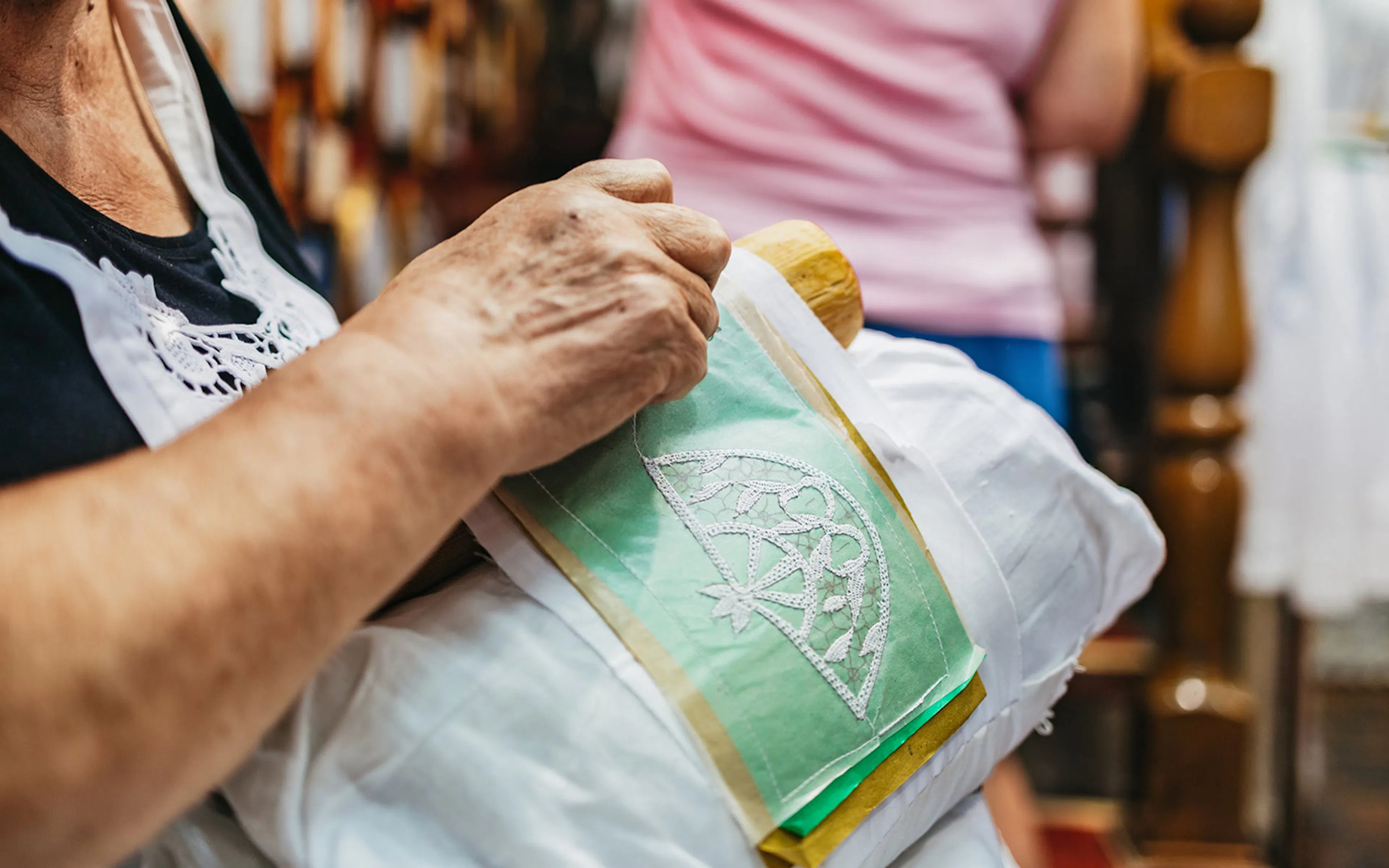
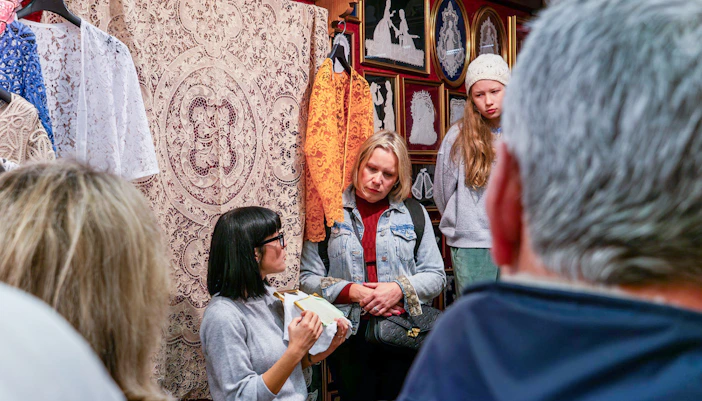
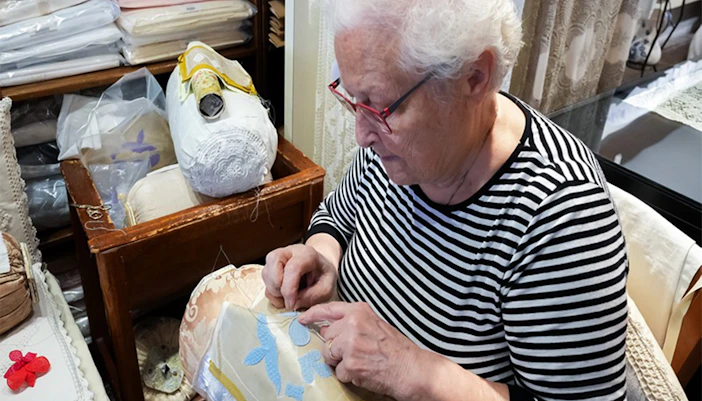
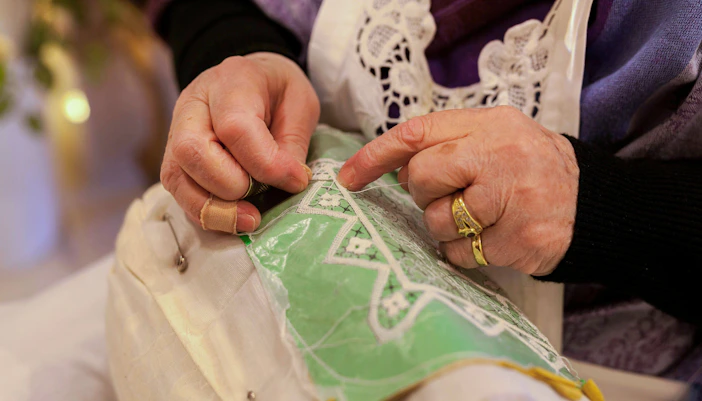
Lace making demonstration in Burano, Italy, showing intricate needlework on fabric.
1/4

See the details you’d normally miss

The magic is in the close-up. Some pieces reveal an extraordinary level of precision that’s easy to overlook at first glance. As you move through the displays, look for:

  • Changes in density and pattern
  • Delicate floral and geometric motifs
  • Increasingly elaborate needlework

Watch lacemaking come alive

Seeing finished lace is one thing; watching it being made changes your perspective entirely. When the museum’s master lacemakers are at work, pay attention to:

  • The precise hand movements behind each stitch
  • How individual threads gradually form a pattern
  • The patience and skill involved in handmade lace

Spot how lace changed with fashion

Move through the collection chronologically and lace starts behaving like a fashion timeline. Designs evolved as tastes changed across Venice and Europe. Look out for:

  • Shifts from simpler to increasingly elaborate designs
  • Decorative motifs associated with different periods
  • Lace created for clothing, furnishings, and ceremonial use

Discover why lace belongs to Burano

The museum goes beyond beautiful objects to show how deeply the craft became connected to the island. By the end, you’ll understand:

  • How specialist knowledge passed between generations
  • Why preserving traditional techniques became important
  • How lacemaking became part of Burano’s cultural identity

How Burano kept its lace-making tradition alive

Burano’s lace tradition nearly disappeared before it became museum-worthy. In 1872, the Burano Lace School was founded to revive the island’s declining lacemaking tradition, teaching new generations techniques that had made Venetian lace famous. The school operated here until 1970, and the building later became the Lace Museum in 1981. Today, it preserves not just finished lace, but the skills and knowledge behind one of Burano’s defining crafts.

What to see inside Burano Lace Museum

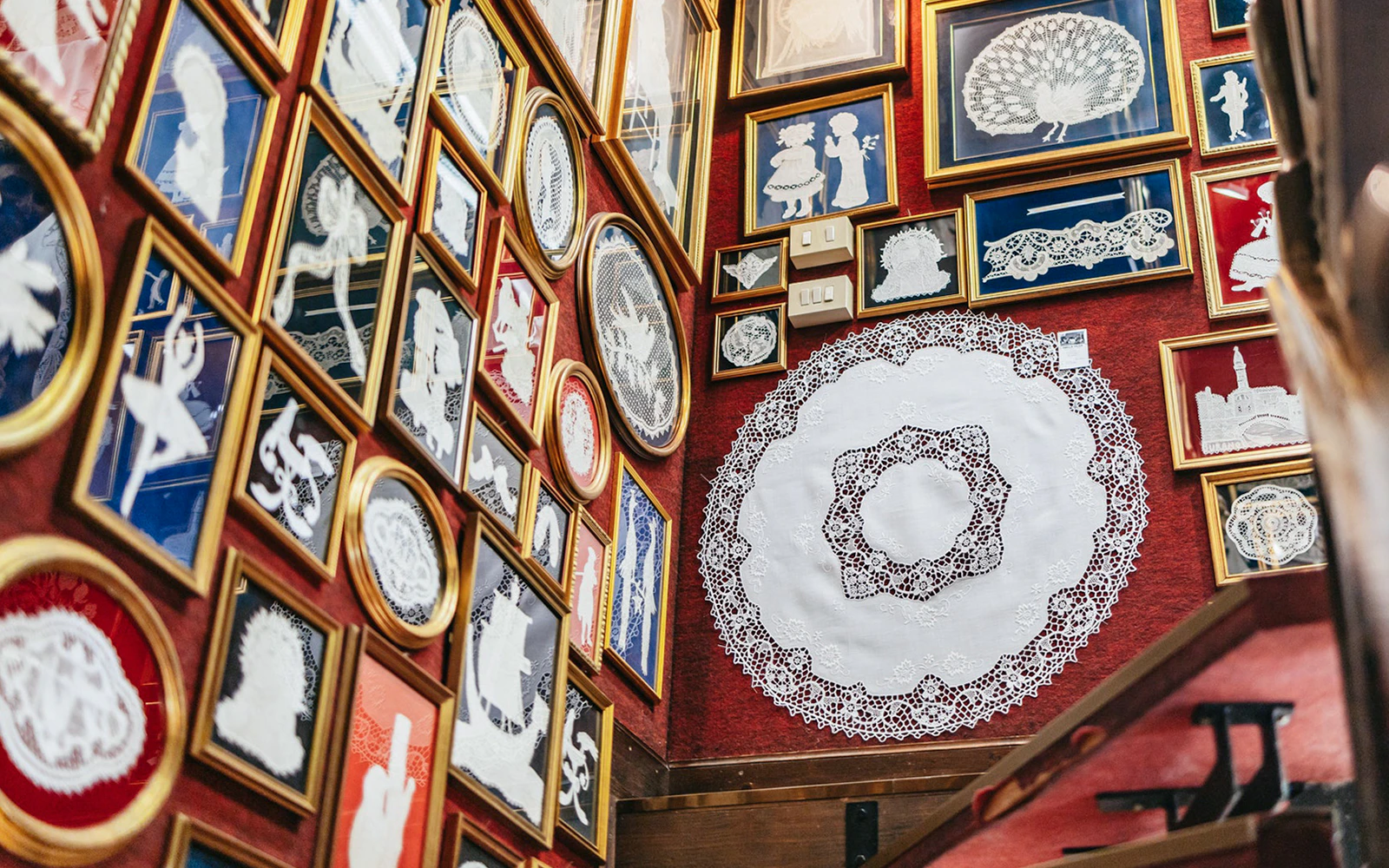
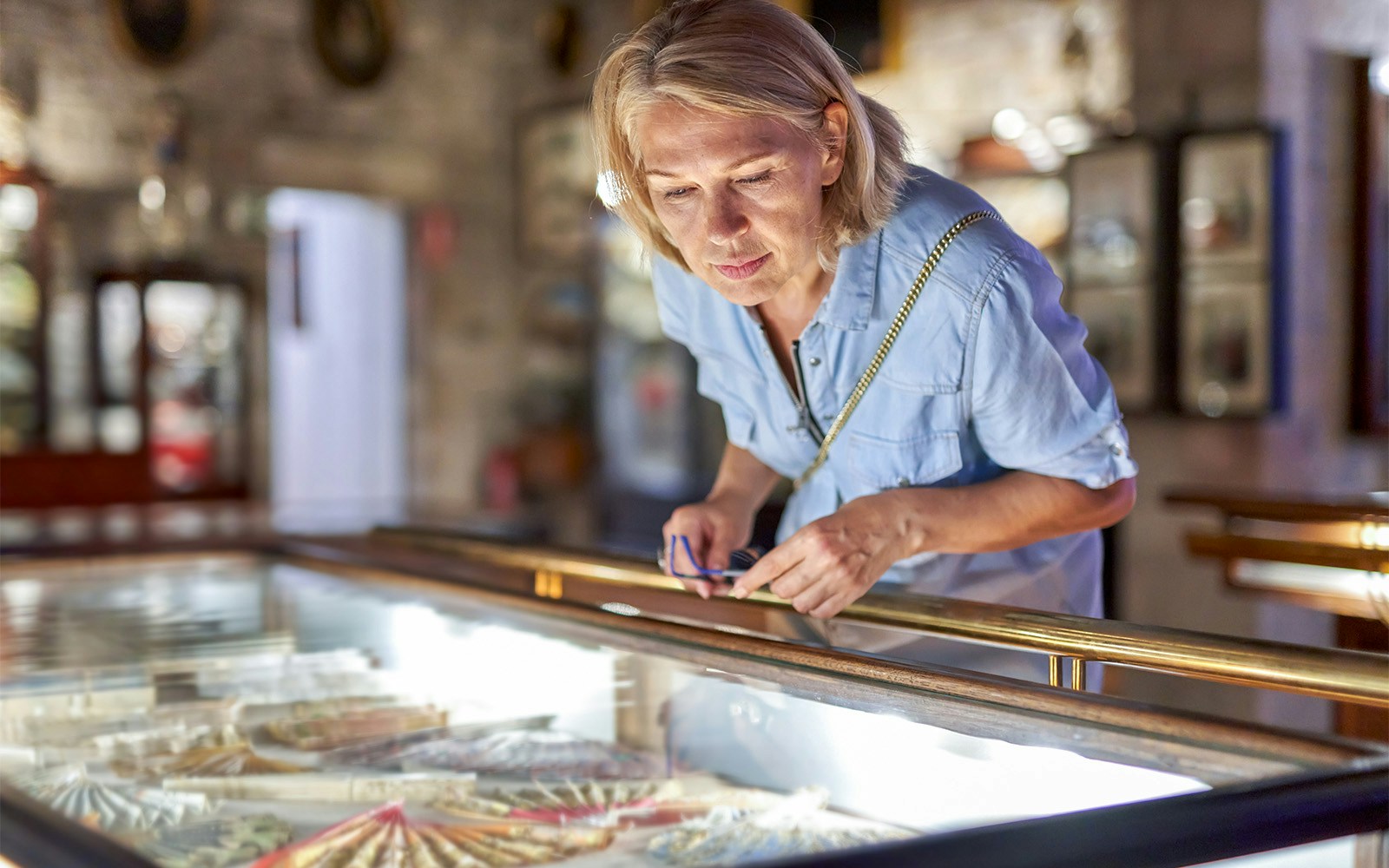
Lace exhibits displayed in frames at the Lace Museum in Burano.

Origins & 16th-century lace

Start with the foundations of Venetian lacemaking, where early geometric needlework gradually gave way to more intricate Renaissance designs. Look closely for increasingly elaborate patterns, including floral, botanical, and decorative motifs.

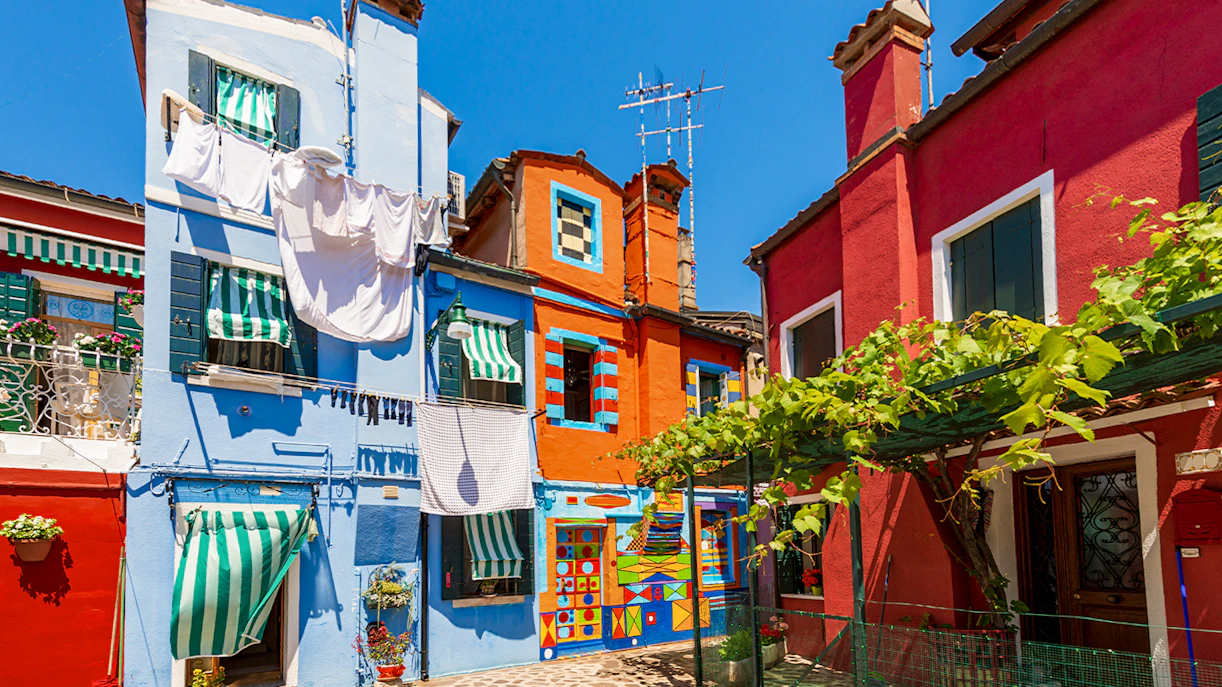
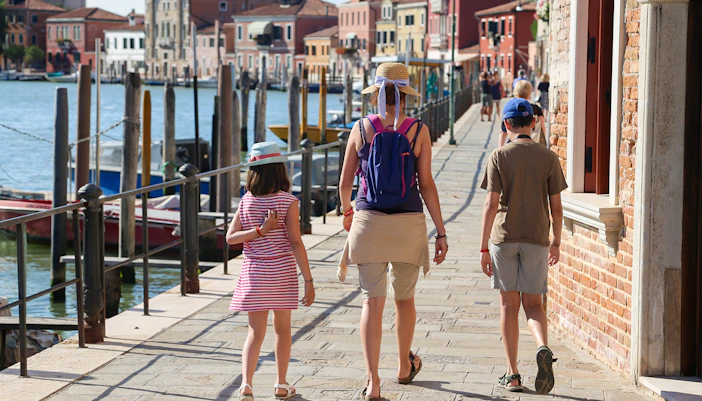
Tourist woman with hat viewing colorful houses along canal in Burano, Italy.
Children engaged in an interactive museum exhibit during a guided tour.
One museum down, two islands to go
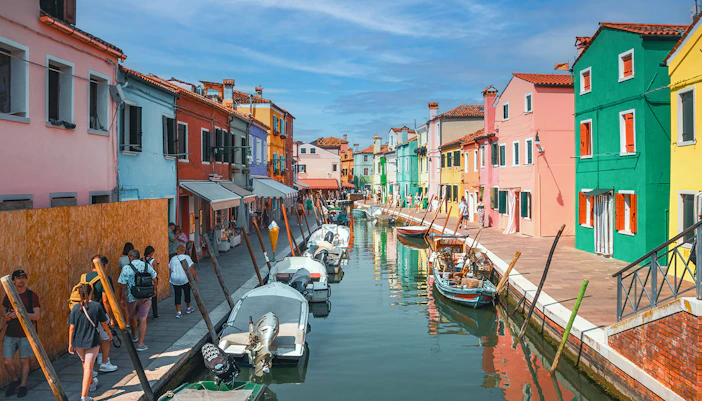
Burano’s lace is only one side of the lagoon’s story. With the Island Museums ticket, continue to Murano Glass Museum and Torcello Museum, with admission to all three museums included in one ticket.

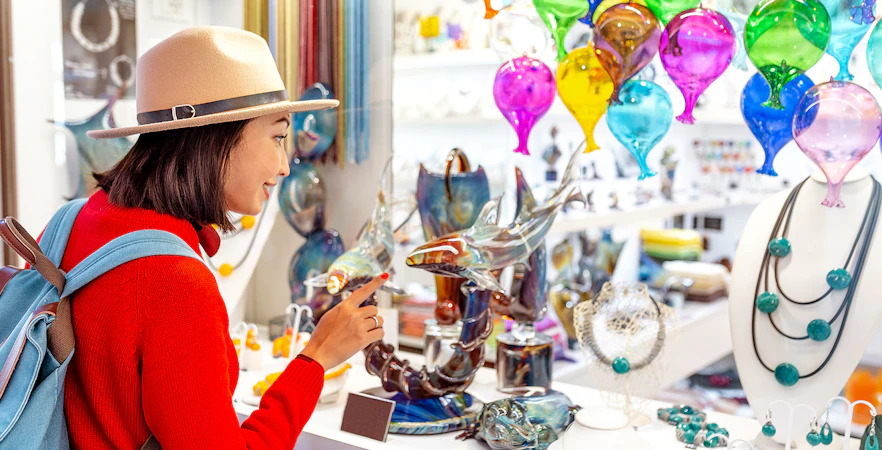
Tourist exploring glass art at Murano glass factory, colorful glass balloons and sculptures displayed.

Everything to know before visiting Burano Lace Museum

Frequently asked questions about Burano Lace Museum

No, Burano Lace Museum requires paid admission, although free entry is available for certain eligible visitors under the museum’s admission policy.

More reads