Tickets Venice

Murano travel guide: Glassmaking, museums & things to do

Murano is Venice’s world-famous glassmaking island, known for centuries-old furnaces, artisan workshops, and extraordinary glass craftsmanship. But there’s more to explore beyond the furnaces. Wander along its quieter canals, visit the Murano Glass Museum, step inside historic churches, browse locally made glass, and watch skilled glassmakers turn molten glass into intricate works of art.

This Murano travel guide brings together the island’s best things to see and do, from its glassmaking heritage and cultural landmarks to local food, shopping, and experiences worth making time for.

Quick facts: Murano at a glance

What is Murano famous for?

Murano is world-famous for glassmaking, a craft that has shaped the island’s identity for centuries. Glass production was concentrated here after Venice ordered its furnaces moved to Murano in 1291.

  • Known for: Hand-blown Murano glass
  • See it today: Furnaces, workshops, galleries & glass shops
  • Signature techniques: Murrine, millefiori, blown and decorative glass
What is Murano like?

Murano isn’t one single landmass. It consists of seven islands, separated by canals and connected by bridges, giving it a Venice-like layout on a much smaller scale.

  • Setting: Venetian Lagoon, northeast of Venice
  • Layout: Seven interconnected islands
  • Getting around: Mainly on foot once you arrive
  • Atmosphere: Canals, bridges, workshops and historic buildings

What are Murano’s must-sees?

Glass is the headline, but Murano also has historic churches and architecture worth seeking out between workshop visits.

  • Murano Glass Museum: History and evolution of Murano glass
  • Basilica of Santi Maria e Donato: One of the island’s major historic churches
  • San Pietro Martire: Home to important Venetian artworks
  • Palazzo da Mula: Historic Venetian-Byzantine palace

Museum or glassblowing demonstration?

They offer two very different ways to understand Murano glass. A live demonstration shows the making process, while the Glass Museum puts those techniques into historical and artistic context.

  • Glassblowing demo: Watch artisans shape molten glass
  • Glass Museum: See historic techniques, masterpieces and modern design
  • For the fullest experience: Do both

The Glass Museum was founded in 1861 and preserves the world’s largest historical collection of Murano glass.

How long should you spend in Murano?

Half a day is a comfortable choice for most visitors who want more than a quick glassblowing stop.

  • Quick visit: Glassblowing demonstration + short island walk
  • Half day: Add the Glass Museum, landmarks and shopping
  • More time: Stop for lunch and explore workshops and quieter canals

Can you combine Murano with other islands?

Yes. Murano is commonly paired with Burano and Torcello, making it easy to experience several different sides of the Venetian Lagoon in one outing.

  • Murano: Glassmaking and craftsmanship
  • Burano: Colorful houses and lace
  • Torcello: Archaeology and early Venetian history
  • Best for: A wider lagoon island day

The official Island Museums ticket itself groups the Glass Museum, Burano Lace Museum and Torcello Museum, reflecting the three islands’ distinct cultural heritage.

Why visit Murano?

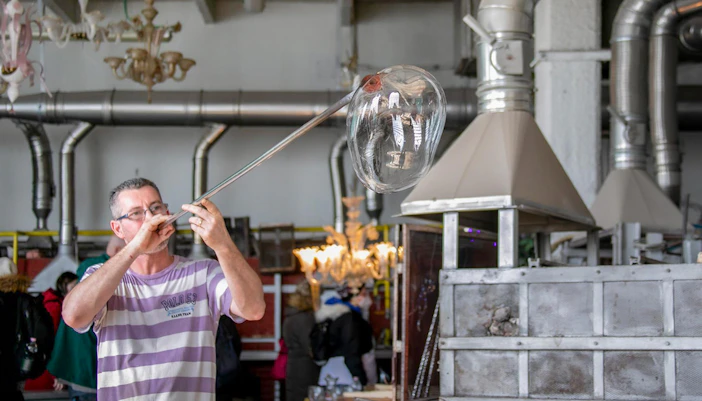
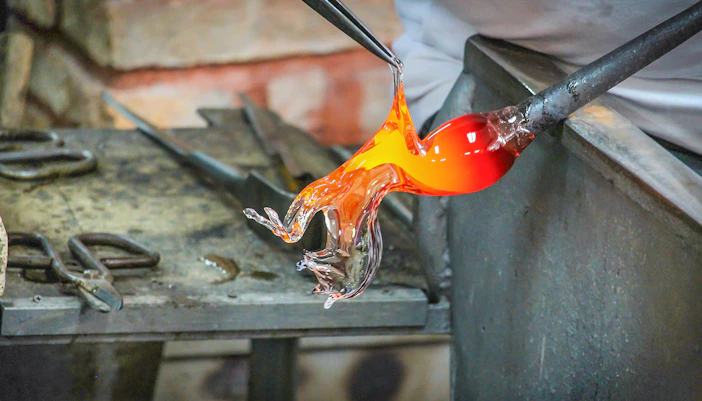
Glassmaking demonstration in Murano

Watch fire turn into art

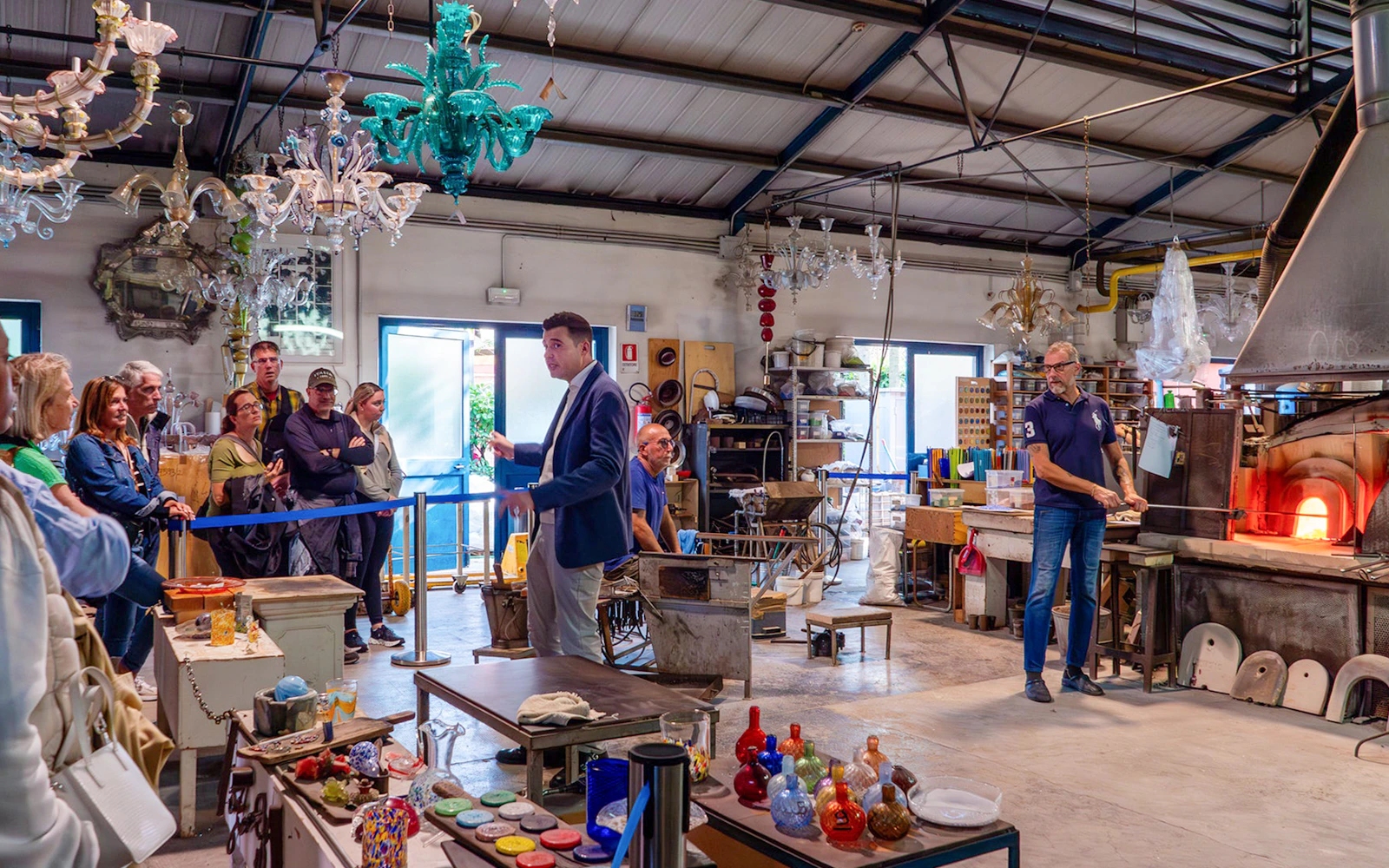
Step inside a working glass factory and watch skilled artisans transform molten glass into intricate objects using techniques refined on Murano over centuries. Venice moved its glass furnaces to Murano in 1291, helping turn the island into the glassmaking center it is known as today.

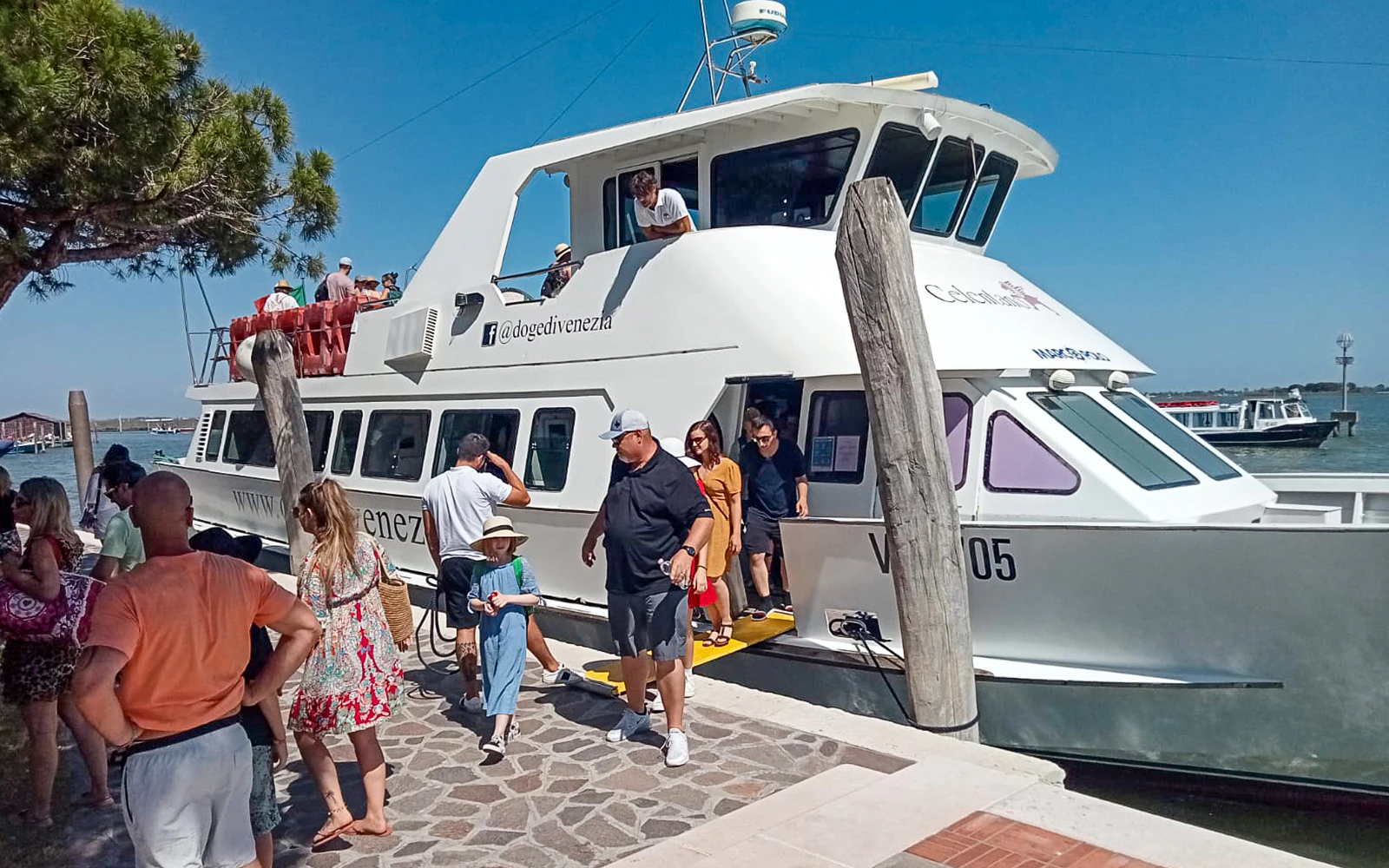
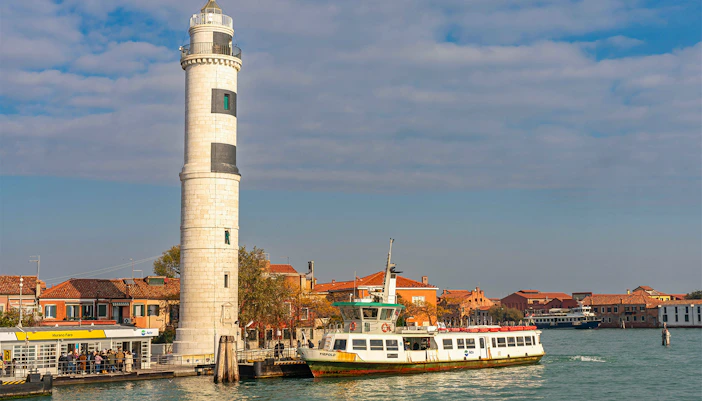
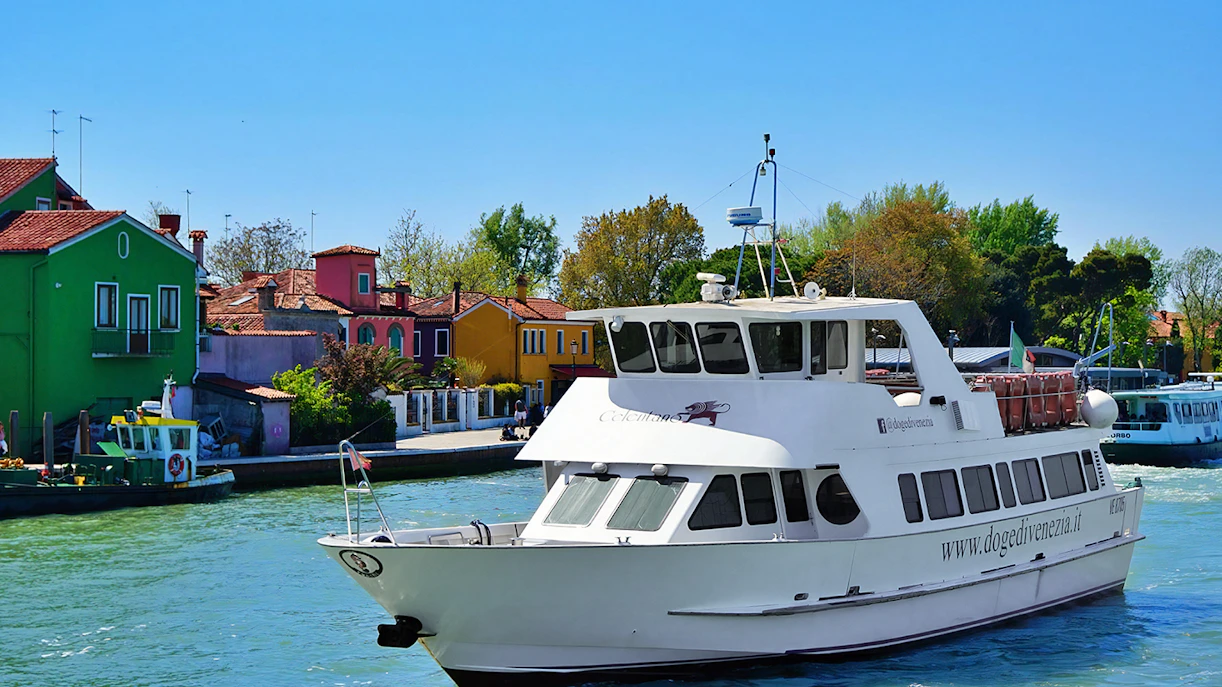
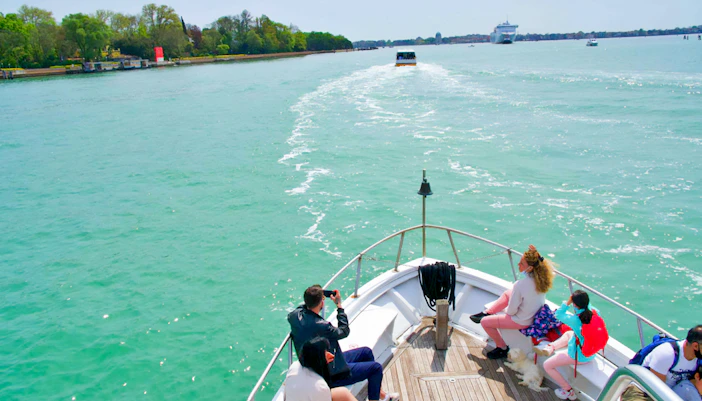
Boat arriving at Murano
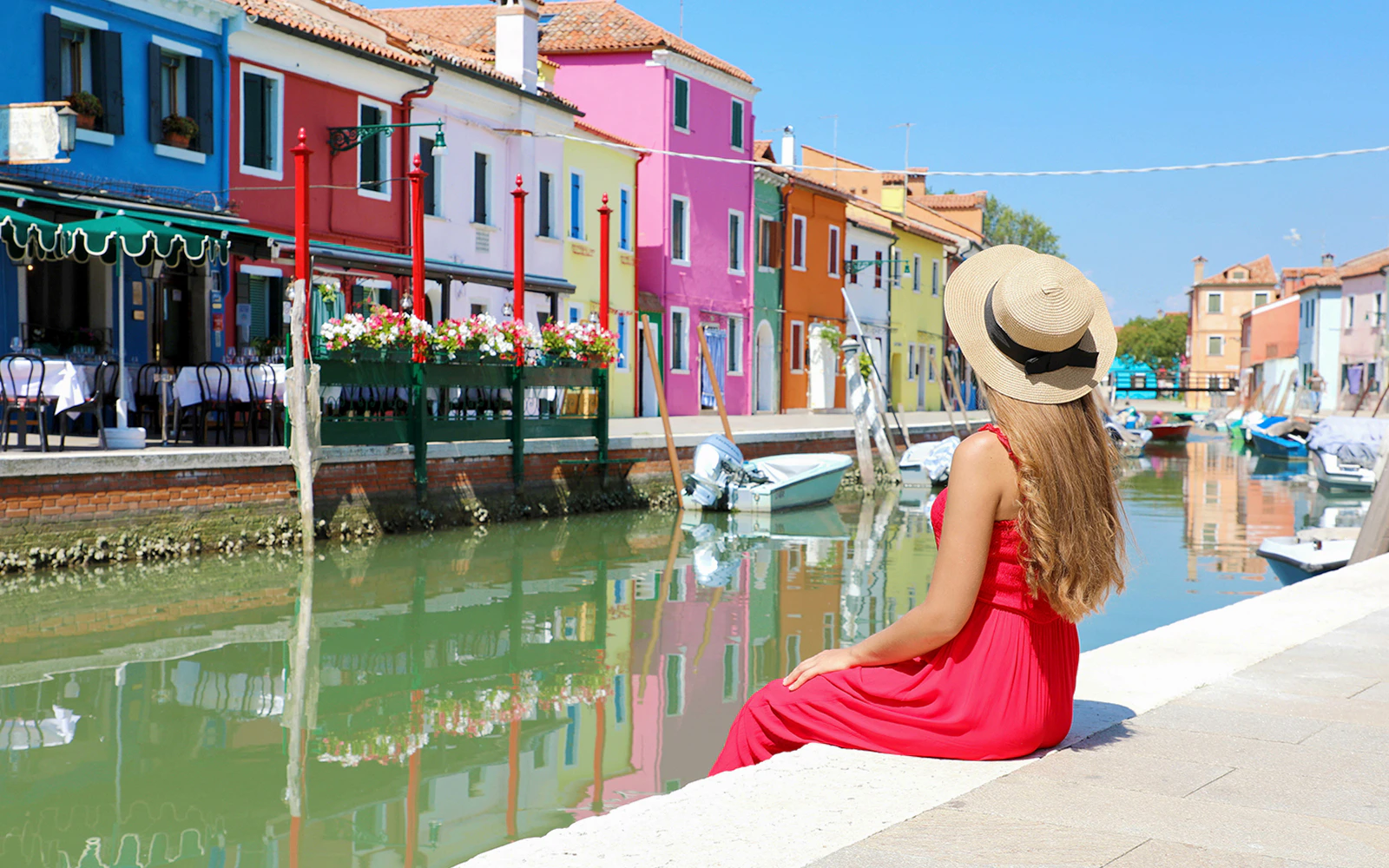
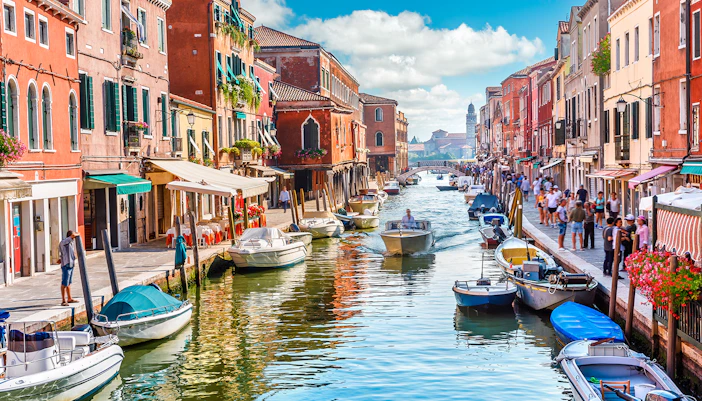
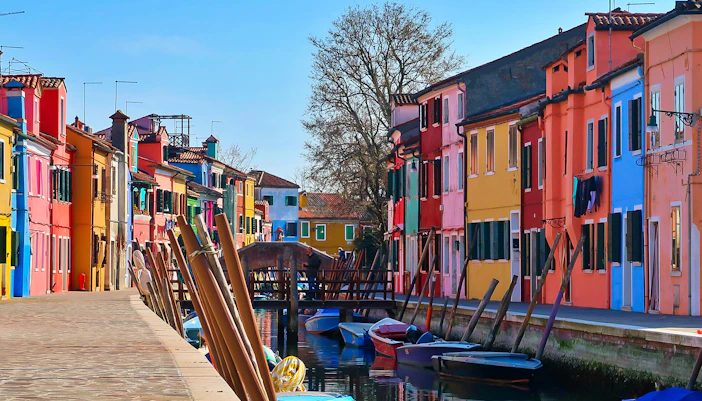
Colorful canal in Murano
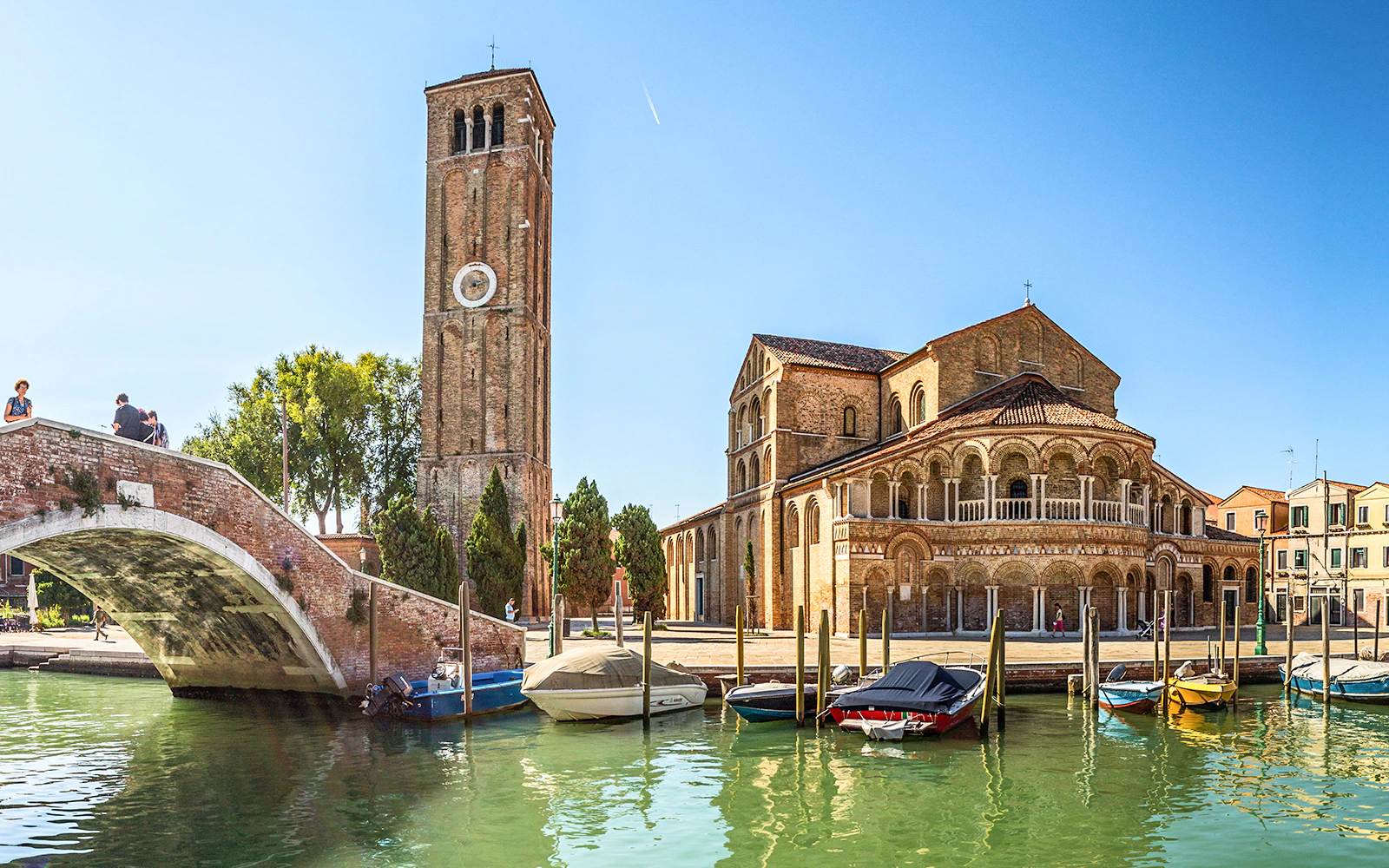
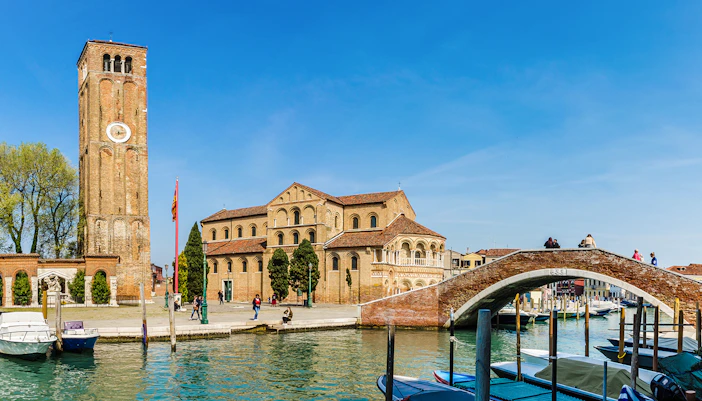
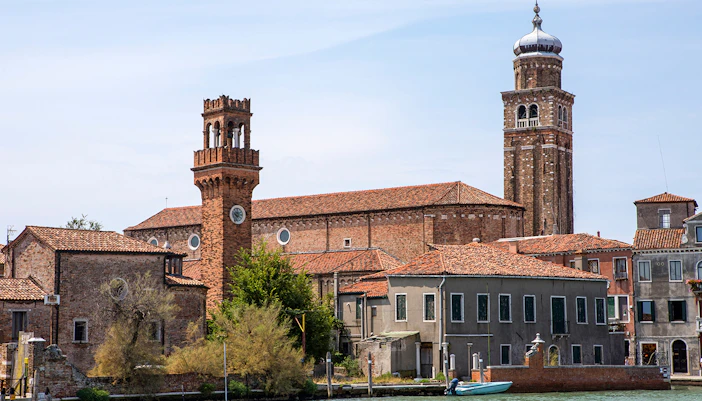
Historic church in Murano
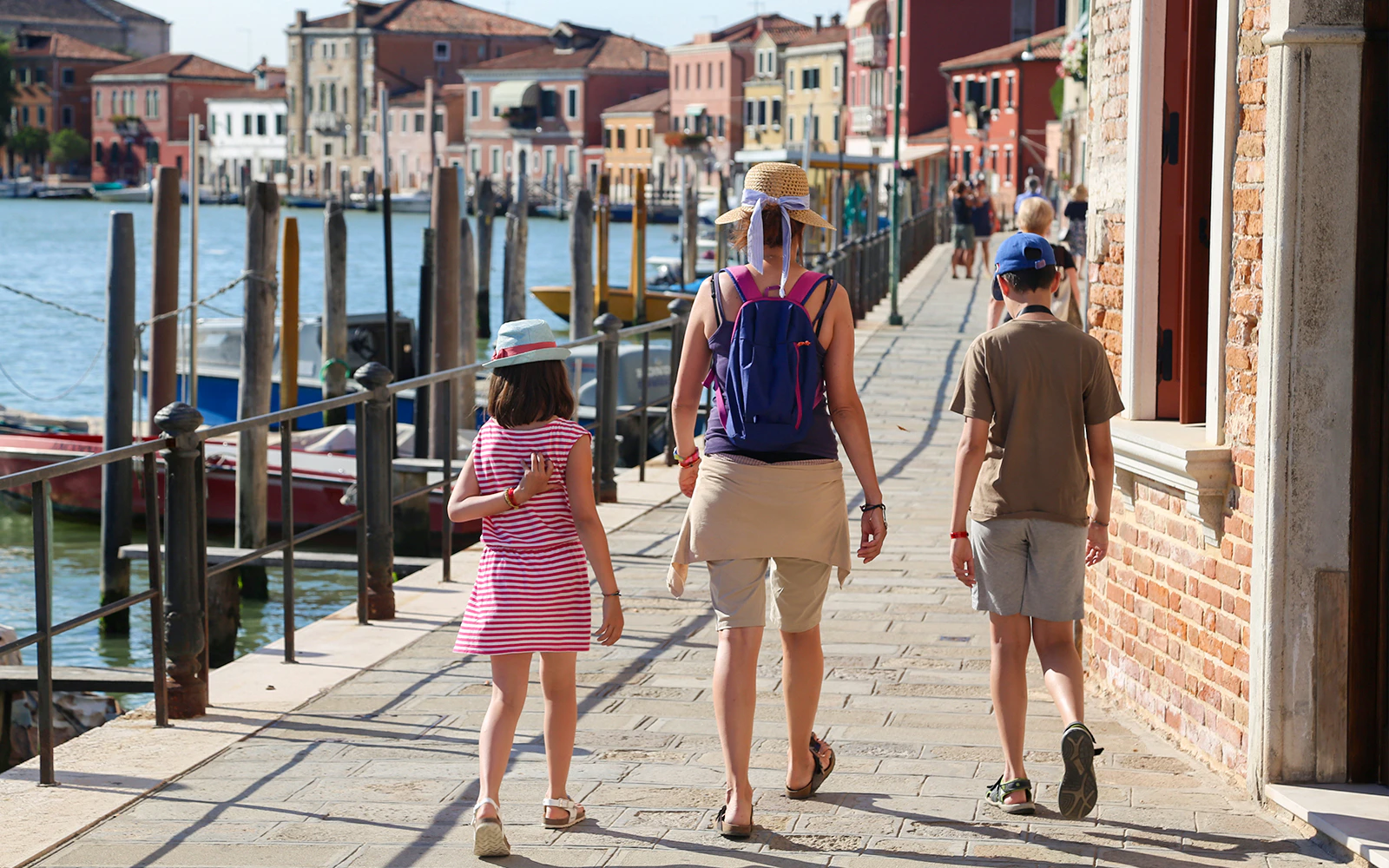
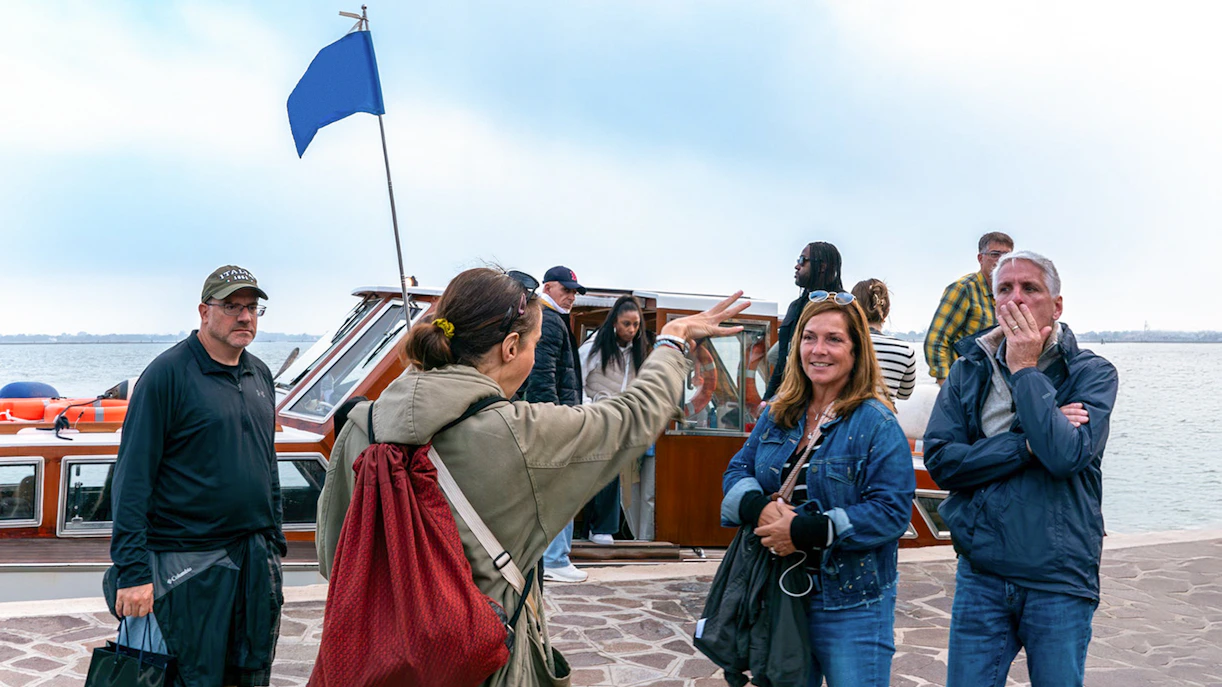
Family walking along a canal in Burano during a guided tour from Punta Sabbioni.

Top things to see & do in Murano

Murano Glass Museum

Trace Murano glass from ancient Roman finds and Renaissance masterpieces to experimental 20th-century design inside historic Palazzo Giustinian. The museum holds the world’s largest historical collection of Murano glass, making it the best place to understand the craft beyond the furnaces.

When to go: Open daily; 10am–6pm from April to October and 10am–5pm from November to March, with last admission one hour before closing. In summer 2026, Friday and Saturday hours extend to 8pm through September 26.

Know more

Basilica dei Santi Maria e Donato

Step inside one of Murano’s most important historic landmarks, known especially for its remarkable 12th-century mosaic floor and Romanesque-Byzantine architecture. It’s an excellent counterpoint to the island’s glass-focused attractions.

When to go: Visit during church opening hours and avoid services if you’re sightseeing; religious schedules can change, so check locally before visiting.

Watch a glassblowing demonstration

See Murano’s signature craft in action as glassmakers gather glowing molten glass from a furnace and shape it using traditional tools and techniques. Many island tours include a factory demonstration, while some workshops offer more involved glassmaking experiences.

Good to know: A factory demonstration is different from visiting the Glass Museum. Do both if you want to see how the glass is made and understand the history behind it.

Campo Santo Stefano & the Comet Glass Star

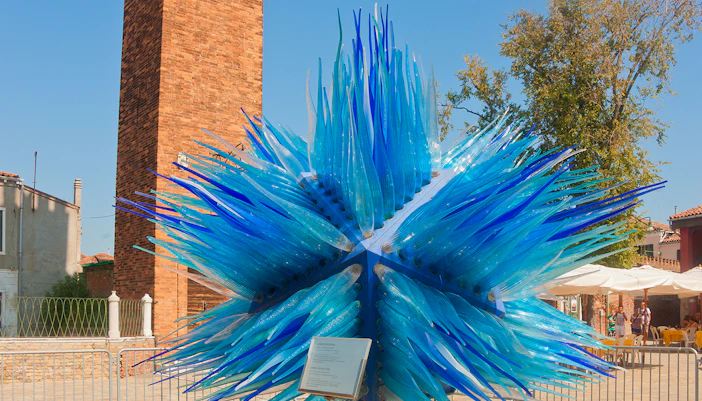
Stop at Campo Santo Stefano to see one of Murano’s most eye-catching contemporary landmarks: Simone Cenedese’s enormous blue glass Comet sculpture. The square also gives you a good excuse to slow down between workshops and sights.

When to go: Visit in daylight to appreciate the glass and surrounding architecture, or return after dark to see the sculpture illuminated.

Murano Lighthouse

Walk toward the eastern side of the island to see the distinctive white Faro di Murano, standing beside the lagoon near the Murano Faro vaporetto stop. It’s particularly photogenic against the open water and passing boats.

Good to know: The lighthouse itself is not open to the public; admire it from the surrounding waterfront.

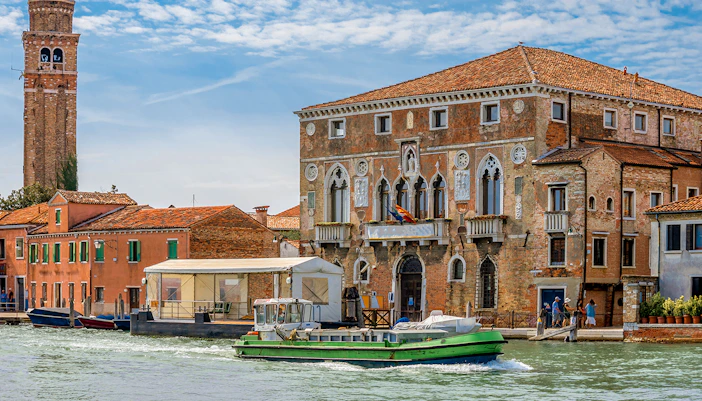
Palazzo da Mula

Look for this historic canal-side palace as you wander Murano. Once a residence built by Venetian patricians, Palazzo da Mula is now used for civic and cultural purposes; Venice approved plans in 2026 to develop it further as a center dedicated to lagoon culture.

Good to know: Treat it primarily as an architectural and cultural stop rather than promising regular palace tours; access can depend on exhibitions and activities taking place inside.

Wander Murano’s canals & bridges

Leave the main sights behind for a while and explore Murano on foot. Follow canals, cross its bridges and browse glass galleries and workshops along streets such as Fondamenta dei Vetrai, where glassmaking remains part of the streetscape.

When to go: Early morning or later in the afternoon is especially pleasant for a quieter walk and photographs.

Church of San Pietro Martire

Step inside this Renaissance church to see another side of Murano’s artistic heritage. Its collection includes works associated with Giovanni Bellini, Paolo Veronese, Domenico Tintoretto and Jacopo Tintoretto.

Good to know: It remains an active church, so visit respectfully and check current opening/service times locally rather than relying on fixed sightseeing hours.

Shop for authentic Murano glass

Browse workshops, galleries and glass shops for everything from jewelry and small decorative pieces to sculptures and elaborate glassware. If authenticity matters, look for the Vetro Artistico® Murano trademark rather than assuming every glass souvenir sold on the island was made there.

Tip: Take your time comparing workshops before buying, particularly for higher-value pieces.

Make the most of your time in Murano

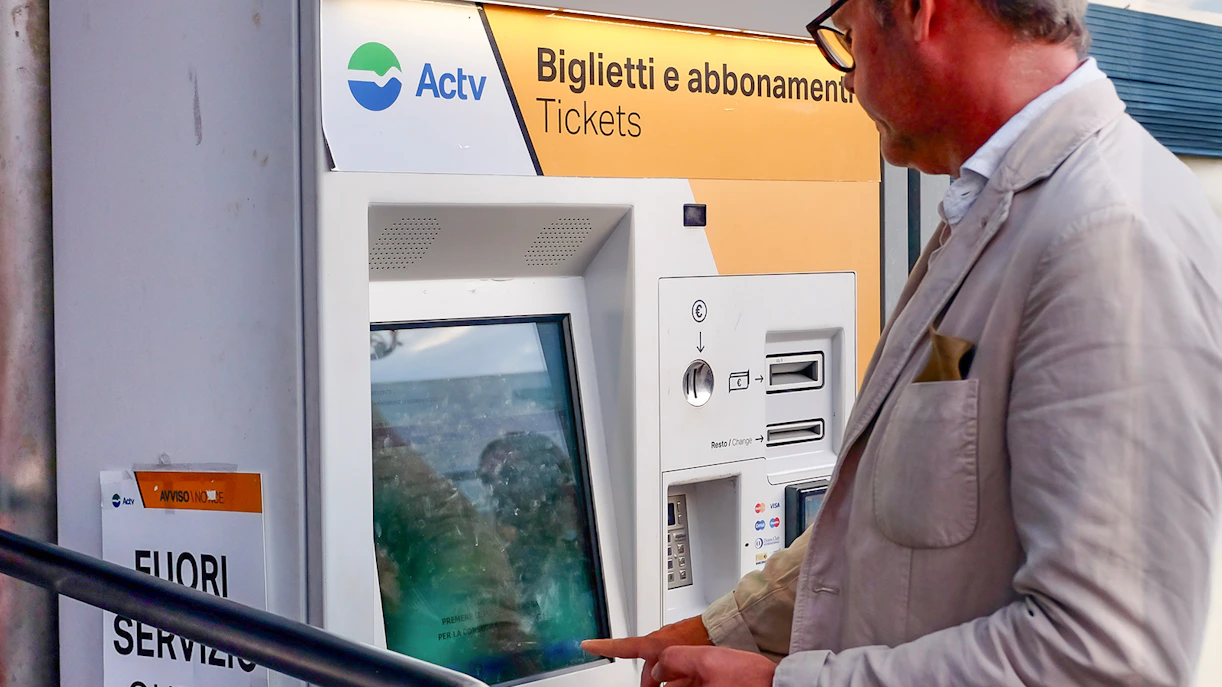
Murano is reached from Venice by ACTV vaporetto. Lines 3, 4.1 and 4.2 are among the main services connecting Venice with the island, with the best route depending on where you start.

  • From Piazzale Roma or Santa Lucia: Line 3 provides a direct connection to Murano.
  • From Fondamente Nove: Lines 4.1 and 4.2 serve Murano.
  • Useful stops: Murano Colonna for the southern end and shops, Murano Museo for the Glass Museum, and Murano Faro for the eastern side and onward lagoon connections.
  • Going beyond Murano: If you're also visiting Burano or Torcello, check your onward route before choosing where to get off.
Venice vaporetto routes & stops
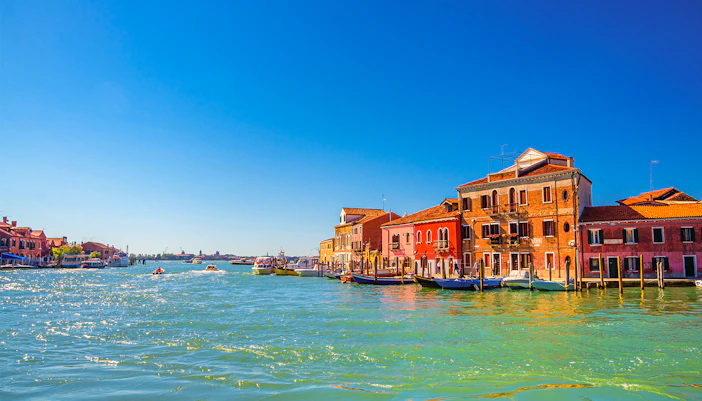
Murano canal on a sunny day

Spring and early autumn are particularly pleasant for Murano, with milder temperatures for walking between its canals, workshops, and landmarks. Summer offers long sightseeing days but is typically hotter and busier.

  • For fewer crowds: Arrive earlier in the morning.
  • For glassmaking: Visit during the daytime, when workshops and furnaces are operating.
  • For photography: Early morning or late afternoon gives the canals softer light.
  • Time to allow: Around half a day works well if you want to combine a glass experience with sightseeing, shopping, and a relaxed walk.
Venetian seafood dishes

Murano shares the seafood-rich cuisine of Venice and the lagoon, making lunch a good way to break up a day of glass workshops and sightseeing.

  • Lagoon seafood: Look for seasonal fish, shellfish, and seafood dishes.
  • Risotto: Try a Venetian-style seafood or fish risotto.
  • Cicchetti: Small Venetian bites served in bàcari, often featuring seafood, vegetables, or cured meats.
  • Something sweet: Look for Venetian biscuits such as bussolà or finish with gelato and coffee.

Tip: Move away from the busiest vaporetto stops and browse the quieter canal-side areas when choosing somewhere to eat.

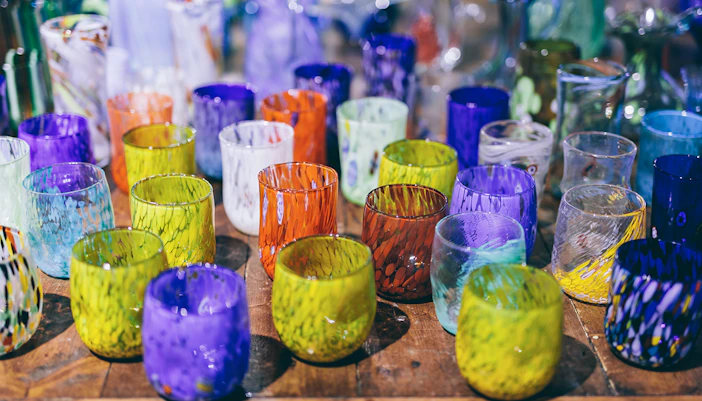
Murano glass displayed in a shop

Glass is the obvious Murano souvenir, but there’s a huge range—from small jewelry pieces to elaborate sculptures, lighting, and collectible works.

  • Jewelry: Glass earrings, pendants, bracelets, and beads.
  • Murrine & millefiori: Intricate patterned glass used for jewelry, ornaments, and decorative pieces.
  • Vases & glassware: Bowls, drinking glasses, goblets, and colorful vases.
  • Decorative glass: Sculptures, figurines, mirrors, lamps, and chandeliers.
  • One-of-a-kind pieces: Some workshops and galleries sell limited or custom-made works.

Buying tip: For authentic Murano-made artistic glass, look for the official Vetro Artistico® Murano trademark rather than assuming every glass object sold on the island was produced there.

Suggested Murano itineraries

Whether you have an hour or half a day, here’s how to make the most of your time in Murano.

1 hour: Get a taste of Murano

Best for: A quick stop when Murano is part of a wider lagoon island tour.

  • Glassblowing demonstration: Make this your priority and watch a Murano glassmaker shape molten glass inside a working furnace.
  • Browse a glass showroom: See finished pieces and get a closer look at the colors and techniques you just watched being used.
  • Quick canal walk: Use your remaining time for a short walk past Murano’s canals, bridges, and glass shops.

Tip: With only an hour, skip the Glass Museum. It deserves more time than a rushed walkthrough.

2 hours: Glass & Murano highlights

Best for: Seeing Murano’s signature craft while fitting in one major cultural attraction.

  • Glassblowing demonstration (30–45 min): Start by watching artisans at work in a Murano furnace.
  • Murano Glass Museum (45–60 min): See how the island’s glass evolved from ancient works through Renaissance craftsmanship to modern design.
  • Canal walk (20–30 min): Walk along the waterways and browse glass shops as you make your way across the island.

Tip: If churches interest you more than museums, swap the Glass Museum for the Basilica of Santi Maria e Donato.

The museum is open daily and officially recommends no fixed visit duration, so the 45–60 minute allocation here should be treated as an itinerary recommendation rather than a museum rule.

Half a day: Experience Murano properly

Best for: Travelers who want glassmaking, history, sightseeing, shopping, and time to enjoy the island without rushing.

  • Glassmaking experience (30–60 min): Watch a demonstration or choose a longer hands-on workshop if glass is your main interest.
  • Murano Glass Museum (60–90 min): Explore centuries of glassmaking history inside Palazzo Giustinian.
  • Basilica of Santi Maria e Donato (20–30 min): See Murano’s important historic church and its celebrated mosaic floor.
  • Campo Santo Stefano (15 min): Stop by the square to see Simone Cenedese’s striking blue Comet glass sculpture.
  • Canals & glass shops (30–45 min): Wander across bridges and browse workshops and galleries for authentic Murano glass.
  • Lunch or cicchetti (45–60 min): Finish with a relaxed Venetian meal or quick lagoon-side bite.

Tip: If you choose a hands-on glass workshop, check its duration before planning the rest of your day. Experiences vary significantly: some take around 45–60 minutes, while more involved glassblowing classes can take around two hours.

Local tips & island etiquette

  • Explore beyond the main canal: Murano is more than its busiest glass shops. Cross a few bridges and wander the side canals to find quieter streets, workshops, churches, and residential corners.
  • Watch a glass demo without feeling pressured to buy: Many demonstrations lead into a showroom afterwards, but you’re not obliged to purchase anything. If you do shop, take your time comparing pieces and workshops.
  • Know what authentic Murano glass looks like: Not every glass souvenir sold on the island is made there. Look for the official Vetro Artistico® Murano trademark when provenance matters.
  • Ask before touching or photographing glass: Pieces can be delicate and valuable, and individual workshops, studios, and shops may have their own photography rules.
  • Respect Murano’s churches: Murano’s churches are active places of worship, so keep noise down, dress appropriately, and avoid sightseeing during services.
  • Don’t rush the island: Murano becomes much more enjoyable once you move beyond the glass demonstration–souvenir shop routine. Leave time for a canal walk, coffee, or simply exploring away from the busiest arrival points.
  • Remember that people live here: Keep noise down around homes and workshops, don’t leave rubbish behind, and avoid graffiti or attaching love locks to bridges and public structures.

Frequently asked questions about Murano

The easiest way to reach Murano is by vaporetto from Venice. The best line and departure point depend on where you’re starting, with services connecting Murano to areas including Piazzale Roma, Santa Lucia, and Fondamente Nove.

More reads